More Episodes to Explore
Find your next favorite episode and keep the conversation going.
Nobody Knows You Exist: Bobby Umar on Visibility, Influence & Personal Branding
Bobby Umar Learn More About Bobby Play Episode Facebook Instagram Youtube Linkedin Keep Listening...
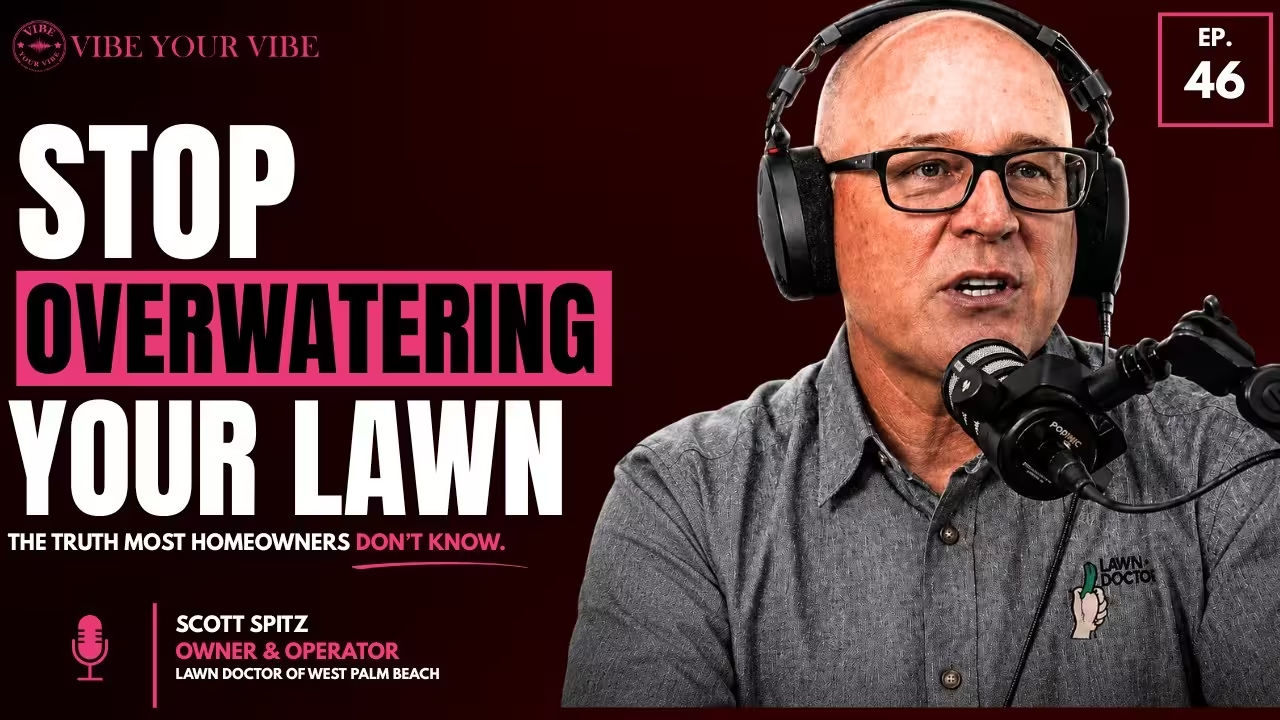
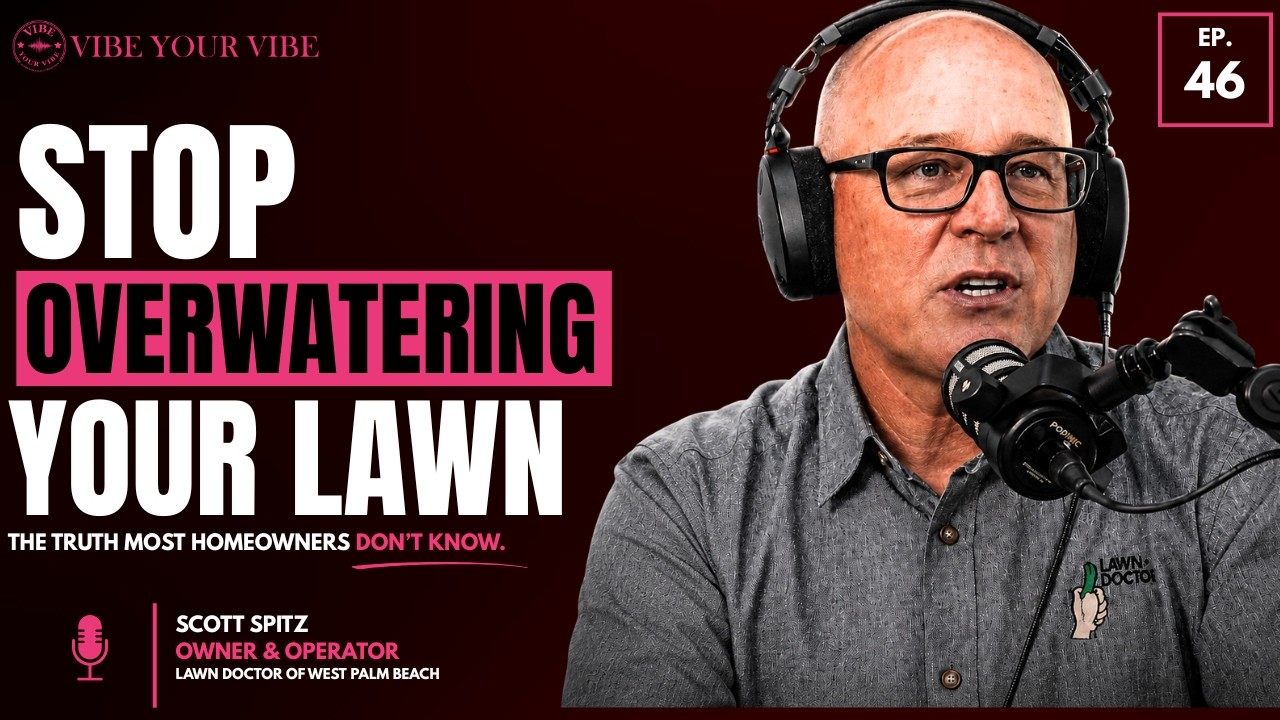
Stop Overwatering Your Lawn (And Every Other Mistake Florida Homeowners Make)
Scott Spitz Learn More About Scott Play Episode Facebook Instagram Youtube Linkedin Keep Listening...
From Empty Warehouse to 120 Creators: Trina’s Studio 1016 Story
Trina Chaney-Hoo Learn More About Trina Play Episode Facebook Instagram Youtube Linkedin Keep Listening...
- Why overwatering is one of the biggest lawn care mistakes
- How consistency leads to healthier lawns and better results
- The importance of customer retention over constant acquisition
- Why Google reviews are essential for local business growth
- How referrals become a powerful source of new customers
- The value of building a business around your personal values
- How franchise support and mentorship accelerate success
- Why making customer feedback easy increases reviews
- The importance of recognizing and rewarding great employees
- How handling negative reviews professionally strengthens trust
- Most homeowners overwater their lawns, causing more harm than good.
- Building customer trust creates long-term business growth.
- Word-of-mouth referrals are more powerful than paid advertising.
- Strong company values lead to better business decisions.
- Transitioning from corporate life to entrepreneurship requires courage.
- Consistency is one of the biggest advantages in local service businesses.
- Great customer experiences naturally generate repeat business.
- Leadership is about serving both employees and customers.
- A franchise can reduce risk while still allowing business ownership.
- Sustainable business growth comes from reputation, not shortcuts.
[00:00:00] What is something that homeowners
[00:00:01] believe about lawn care that just isn't
[00:00:03] true?
[00:00:03] >> I think the biggest mistake that we see
[00:00:05] homeowners make is overwatering their
[00:00:07] lawn. When they see their lawn turning
[00:00:09] brown in Florida, they think it needs
[00:00:10] more water. And in most situations, it
[00:00:13] probably needs less water.
[00:00:15] >> Oh, really? The brown color is not an
[00:00:17] indicator of that.
[00:00:18] >> It's not an indicator.
[00:00:20] Your vibe, let it collide.
[00:00:25] Find your tribe where truth can't hide.
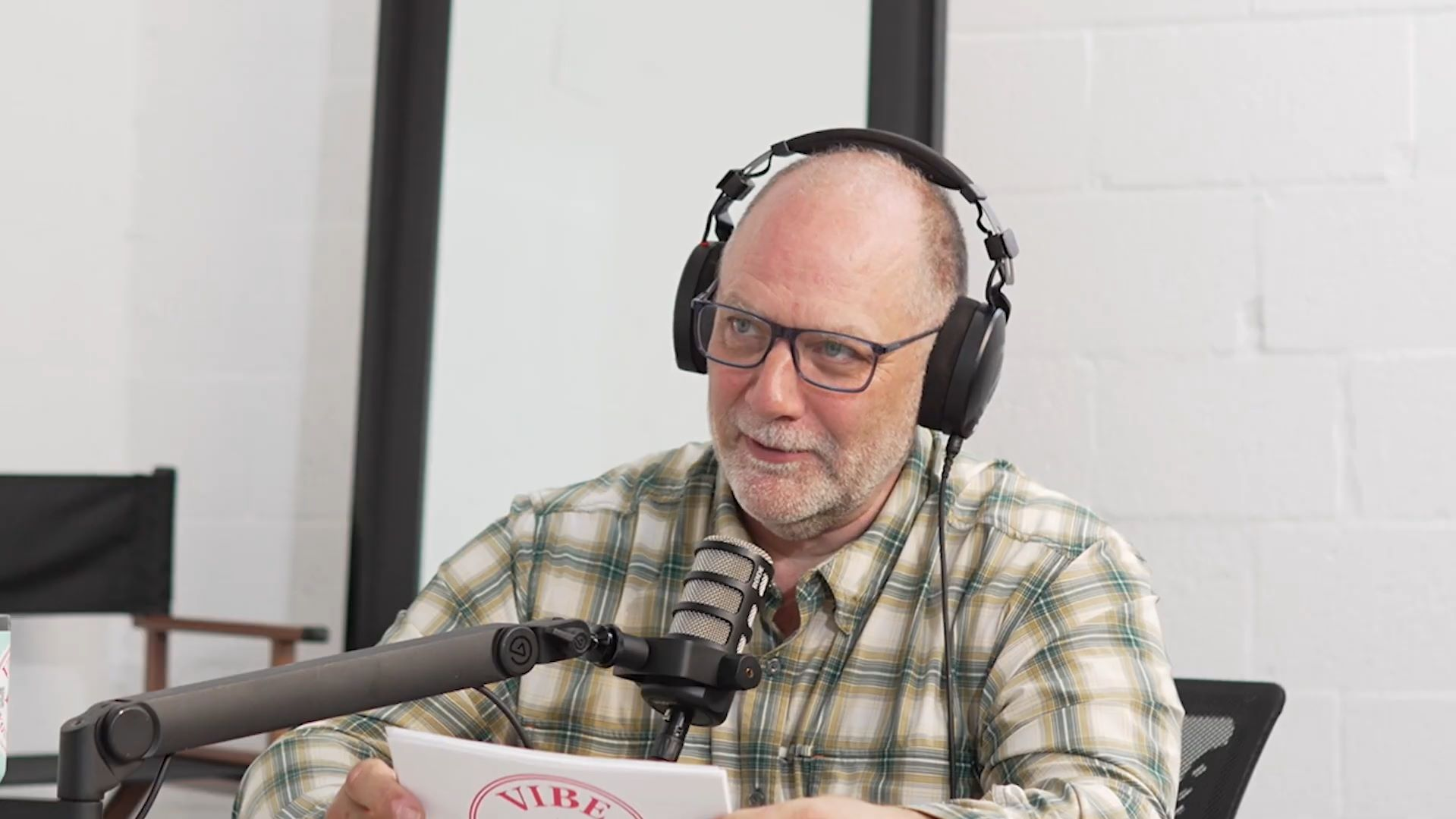
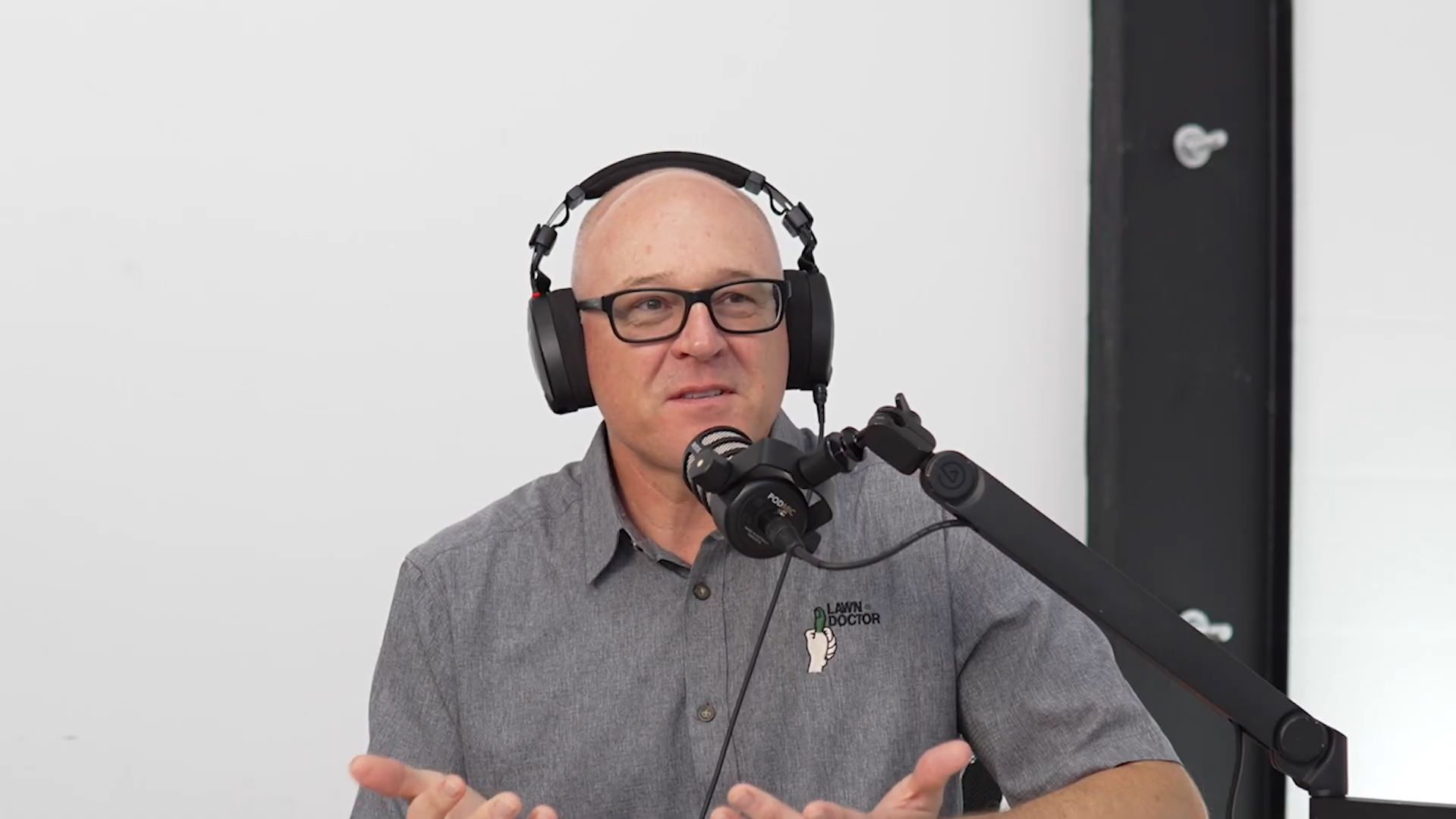
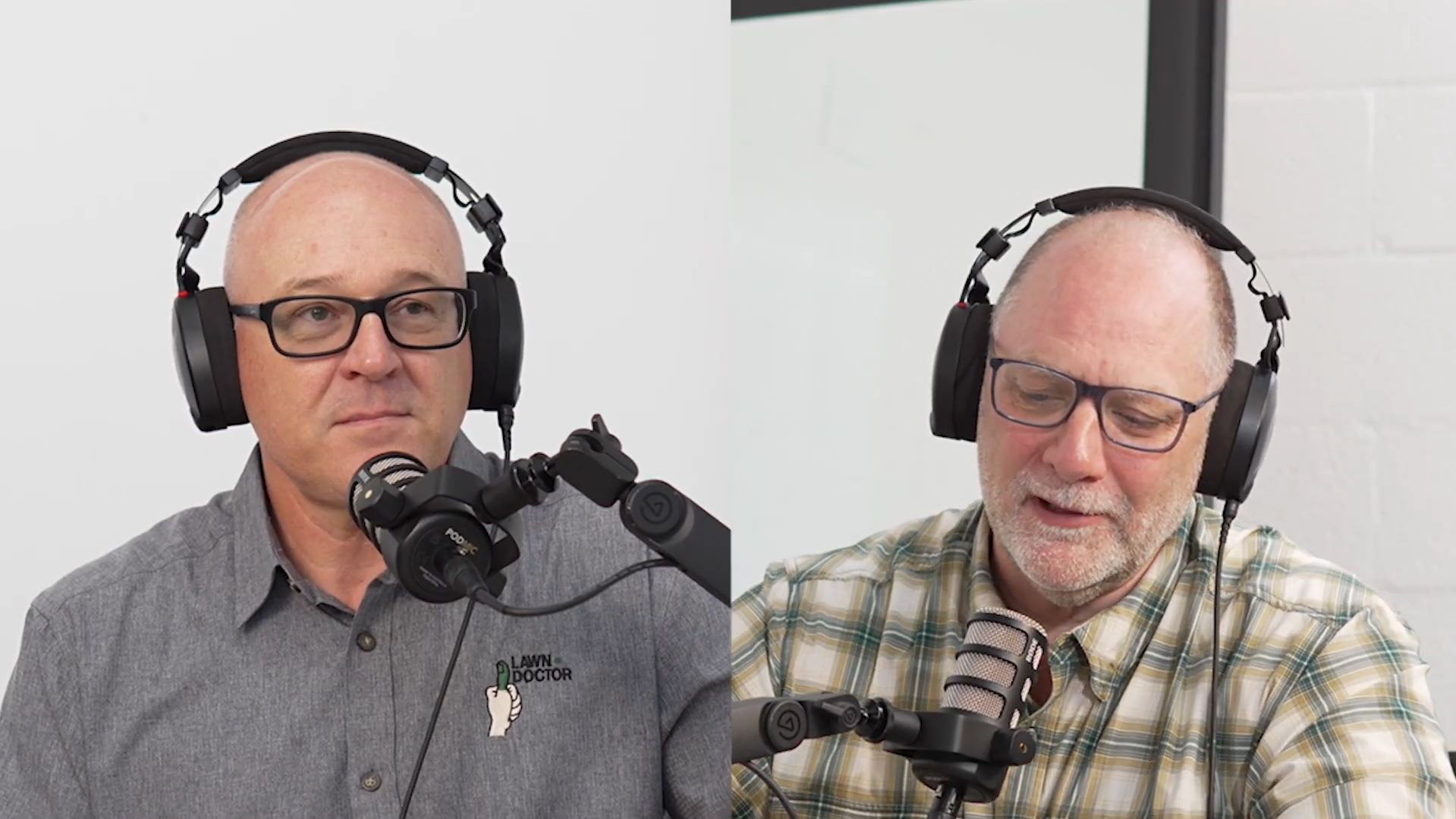
[00:00:32] So today's guest is Scott Spitz. He's
[00:00:34] the owner and operator of One Doctor of
[00:00:36] West Palm Beach. He's built a local
[00:00:38] reputation by doing what actually
[00:00:40] matters in the service business. Showing
[00:00:41] up consistently, earning trust, taking
[00:00:43] care of customers so well that neighbors
[00:00:45] become referrals. Today we're talking
[00:00:47] about what it actually takes to grow a
[00:00:48] local service business, marketing,
[00:00:50] reputation, referrals, leadership, and
[00:00:52] building something that lasts. And I'm
[00:00:53] Kirk Francis, and this is Vibe Your
[00:00:55] Vibe. So, just a real quick uh teaser,
[00:00:58] quick thank you for today's sponsor,
[00:01:00] Maya Soap. I didn't get a soap for you,
[00:01:02] but you will get one. I'll send you one
[00:01:04] in the mail.
[00:01:04] >> Thank you.
[00:01:05] >> I'll make sure I get your address to do
[00:01:06] that. Later in the episode, I'll explain
[00:01:08] how you can mail the show a postcard or
[00:01:10] a letter and receive a bar of my soap.
[00:01:13] Quantities are limited. So, let's just
[00:01:15] jump in. So, I wanted to know uh kind of
[00:01:17] get to your origins. Are you a local
[00:01:19] Florida person or are you also from
[00:01:22] somewhere else?
[00:01:23] >> I'm a transplant like most of us. I grew
[00:01:25] up in Illinois. Uh, you know, school and
[00:01:28] work brought me all over the country at
[00:01:30] different times in my life. I ended up
[00:01:31] going to FAU for graduate school years
[00:01:34] ago, not knowing that I would come back
[00:01:37] and live here, you know, full-time uh,
[00:01:39] in my future. So, we moved here 12 years
[00:01:41] ago. Uh, I've been monitoring my own
[00:01:44] lawn for that time. Been here for 12
[00:01:46] years now and happy to be here where I
[00:01:48] get to wear comfortable clothes every
[00:01:50] day.
[00:01:51] >> So, what happened coming to Florida?
[00:01:54] What gave you the idea? Were you in lawn
[00:01:56] care when you're not in Florida or was
[00:01:57] that something new when you moved here?
[00:01:59] >> So, I was not. I I worked in, you know,
[00:02:01] corporate businesses for most of my
[00:02:03] career and one of those brought me to
[00:02:05] Florida uh as a sales and marketing or a
[00:02:08] sales and operations consultant. Uh and
[00:02:11] we got here and you at that point the
[00:02:13] kids were starting to get into school.
[00:02:15] So, we decided that regardless of where
[00:02:17] career opportunities could lead us, we
[00:02:19] were going to stay in this area. So, was
[00:02:22] this lawn care was that something you
[00:02:24] because you said you're in like a sales
[00:02:25] and marketing corporate kind of role
[00:02:27] >> and then lawn care those are kind of
[00:02:30] different sort of things or are they?
[00:02:32] >> They are. Uh, yes and no. I mean, I have
[00:02:34] a biology background. So, you know, lawn
[00:02:37] care isn't too much of a stretch from my
[00:02:39] initial life passion, I guess. But um
[00:02:42] you know being in business whether
[00:02:43] you're working for a Fortune 500 company
[00:02:45] or you're operating your own business
[00:02:47] the basics tend to be fairly similar at
[00:02:50] least relatable. Basically realized as I
[00:02:52] got further in my career that it was
[00:02:54] harder and harder to find a company
[00:02:55] where my values aligned with a company's
[00:02:58] values to the point where I could be
[00:03:00] comfortable going to work every day and
[00:03:02] be excited about what I was doing at the
[00:03:04] same time. It is uh and as you get older
[00:03:08] I think it becomes more important. At
[00:03:09] least for me, it did. So, I reached a
[00:03:11] point where I knew that I needed to do
[00:03:14] something completely different to
[00:03:16] challenge myself for the last chapter of
[00:03:18] my professional life, give myself
[00:03:20] opportunities to learn and grow, but
[00:03:22] also being in an environment where I
[00:03:24] would always feel good about what I was
[00:03:27] doing.
[00:03:27] >> London Doctor, are are is this a
[00:03:29] franchise is my understanding?
[00:03:31] >> It is. Yeah. So, so four years ago when
[00:03:34] I had that realization, I partnered with
[00:03:37] a franchise broker who presented to me
[00:03:40] numerous opportunities in our local
[00:03:41] area. After doing a lot of research, a
[00:03:44] lot of interviews, uh, talking to a lot
[00:03:46] of franchises at different businesses, I
[00:03:49] settled on Lawn Doctor as the
[00:03:50] opportunity that was right for me. And I
[00:03:52] was able to purchase an existing
[00:03:54] business uh, that had been around for
[00:03:56] about 10 years when I bought it and
[00:03:58] stepped into something that was mature
[00:04:00] but still had a lot of opportunity for
[00:04:01] growth. So when you bought it, was it
[00:04:03] just a straightup purchase or was there
[00:04:06] like an earnout or what what kind of
[00:04:08] protections did you have buying an
[00:04:10] existing business like that to ensure
[00:04:12] that you're in it and then 6 months
[00:04:14] later you don't have any customers cuz
[00:04:15] now they're working for Lawn Care RS
[00:04:18] because they moved over with the prior
[00:04:20] owners.
[00:04:21] >> Yeah. Um well the lawn doctor system is
[00:04:24] geographically based. So we we own
[00:04:26] geographic areas, right? So, so I own
[00:04:28] three territories which comprise
[00:04:30] northern Palm Beach County. The people I
[00:04:32] purchased from are still in business.
[00:04:34] They own the southern part of Palm Beach
[00:04:36] County. So,
[00:04:36] >> Oh, so they're still they're the lawn
[00:04:38] doctor in the southern part.
[00:04:40] >> They are. Oh, I see. And so, it was
[00:04:41] great for me because we've stayed
[00:04:44] collaborators through all the years.
[00:04:46] They mentored me during my first, you
[00:04:48] know, year or two to help me get off to
[00:04:50] a good start, avoid any major issues as
[00:04:53] I learned and became more familiar with
[00:04:54] the business and kind of kept things
[00:04:56] moving. So thanks to them for their
[00:04:59] generous support and guidance as I kind
[00:05:01] of got my feet wet in the business and
[00:05:03] was able to keep things moving without
[00:05:05] any big issues.
[00:05:06] >> That that's really that's kind of cool.
[00:05:08] I think that's one of the benefits of
[00:05:10] some franchise systems is you step into
[00:05:13] a proven business model where you have
[00:05:15] the entrepreneurial ability to do what
[00:05:17] you want to do with the business but you
[00:05:19] also have the support of the franchiseor
[00:05:22] and hopefully some other franchises that
[00:05:25] are going to be there for you and mentor
[00:05:27] you and help you be successful. Now do
[00:05:29] they does like a lawn doctor do they
[00:05:31] have like a annual conference or
[00:05:33] anything like that where you guys all
[00:05:34] get together and
[00:05:35] >> we do we have uh typically have an
[00:05:37] annual conference. We also have regional
[00:05:39] meetings that were uh able to attend.
[00:05:42] We're owners, so nothing is required of
[00:05:44] us. But the franchise presents
[00:05:47] opportunities for us to get together and
[00:05:49] spend time together and learn from each
[00:05:50] other to meet with vendors, learn about
[00:05:52] new services that we can utilize to
[00:05:54] benefit our own businesses, learn best
[00:05:56] practices from each other, and really
[00:05:58] just advance our own business acumen and
[00:06:02] understanding of what we might be able
[00:06:04] to incorporate to help our customers and
[00:06:05] help our businesses grow. So, lot of
[00:06:08] opportunities to meet with other people
[00:06:09] in the industry. gives you a little bit
[00:06:11] of stability so that you can make good
[00:06:13] decisions.
[00:06:14] >> So, you came in with a sales and
[00:06:16] marketing background into Lawn Doctor.
[00:06:19] I'm curious like they probably already
[00:06:22] had kind of, okay, this playbook worked
[00:06:24] pretty good for us. This is how we were
[00:06:25] able to build all of these different
[00:06:27] territories.
[00:06:28] >> Now, you're taking over three. Did you
[00:06:30] follow that playbook 100% or did you
[00:06:32] maybe bring some of your corporate sales
[00:06:34] and marketing in, put a couple twists
[00:06:36] and turns into that? Yeah. So, Lawn
[00:06:38] Doctor is a very entrepreneurial
[00:06:40] organization. They really give us all
[00:06:42] the freedom we want and they really
[00:06:44] provide resources for us to utilize. We
[00:06:47] can choose to follow path A, B or C. We
[00:06:50] can set our own service structure, set
[00:06:52] our own pricing. We develop our own
[00:06:54] communication patterns with our
[00:06:56] customers. There's a few things uh
[00:06:59] there's a lot of marketing support
[00:07:00] through Lawn Doctor that they've
[00:07:01] developed over the years that is very
[00:07:03] effective for digital marketing. Uh they
[00:07:05] also have you know systems that we use
[00:07:07] that are part of the lawn doctor kind of
[00:07:10] program but for the most part we get to
[00:07:12] operate an independent business and just
[00:07:14] benefit from what the franchiseor has to
[00:07:17] offer. I tried not to change a lot in
[00:07:19] the beginning. You know, getting a new
[00:07:20] owner for these customers who some of
[00:07:22] them had been with on doctor for, you
[00:07:24] know, five, six, seven, eight, ten
[00:07:25] years, you know, they don't want a lot
[00:07:27] of change. They just want consistency at
[00:07:28] that point, right? So, I made a few
[00:07:30] small changes in the beginning, uh, but
[00:07:32] tried not to do too much because I
[00:07:34] didn't want to upset the customers
[00:07:36] anymore than they already were from
[00:07:38] leaving an owner they had known for a
[00:07:40] decade to somebody who was brand new.
[00:07:41] >> When you took over, did you also get the
[00:07:43] staff, too, or did did you have to build
[00:07:45] your own team? Yeah, a little bit of
[00:07:47] both. I inherited uh two two trucks,
[00:07:50] small business, two trucks. I inherited
[00:07:52] one technician who had been with the
[00:07:54] company for a while and then I hired one
[00:07:55] on my own. It's my understanding cuz I I
[00:07:57] worked with a company in the past that
[00:07:59] did um lawn care for uh AT&T Wireless.
[00:08:03] So, they managed the lawn care for the
[00:08:05] all the cellular tower sites. And one of
[00:08:07] the things I learned working in that
[00:08:09] business is that you had to have
[00:08:11] somebody there had to have a license.
[00:08:13] >> Mhm. So, I'm curious, are you the guy
[00:08:14] that has a license or do you have a
[00:08:16] license now or is that the workers that
[00:08:19] work for you? Or how how did that how
[00:08:21] did you manage that whole scenario
[00:08:24] getting into this business brand new?
[00:08:25] Cuz
[00:08:26] >> um Christian and I was interested in a
[00:08:28] business. It wasn't lawn, but it was
[00:08:30] another business that required a
[00:08:31] licensing. And before we bought, you
[00:08:34] know, got too far into it, we figured
[00:08:35] out, oh, this isn't going to work.
[00:08:37] >> Mhm. Yeah. Uh
[00:08:39] >> cuz we weren't going to be able to get a
[00:08:40] license.
[00:08:41] >> Yeah. So that certainly is a challenge
[00:08:43] in this industry um because there you're
[00:08:45] using pesticides
[00:08:47] >> uh and fertilizers that all have
[00:08:49] regulations associated with them. So you
[00:08:52] do have to have a license to apply
[00:08:55] pesticides commercially and then you
[00:08:56] also have to have a different license or
[00:08:59] a certification for the fertilization
[00:09:01] part of it. So there are two different
[00:09:03] pieces. So the technicians get the
[00:09:05] certifications for the fertilization on
[00:09:07] their own. I facilitate it because they
[00:09:09] need to have it. the pesticide license I
[00:09:11] get as a business. And you're only
[00:09:13] allowed to get a pesticide license in
[00:09:15] the state of Florida after you've been
[00:09:17] doing that work for at least 3 years. So
[00:09:20] since I was relatively new to the
[00:09:21] industry, I had to employ somebody who
[00:09:24] had a license that my business could use
[00:09:26] for the first 3 years. After 3 years of
[00:09:29] experience for myself, I was able to,
[00:09:31] you know, go through the coursework and
[00:09:32] do the certification and get my own
[00:09:34] license. I remember the owner of that
[00:09:36] business, he had multiple state
[00:09:37] licenses, but he also had like four or
[00:09:40] five guys that he was like you were was
[00:09:43] facilitating like, "Oh, go go go study
[00:09:45] and get state of Texas."
[00:09:47] >> Okay.
[00:09:48] >> You know, and oh, go get state of
[00:09:50] Arizona and Yeah, cuz they serviced a
[00:09:52] very large area for AT&T. I think I
[00:09:54] think they called it FSA 5. It was like
[00:09:56] I think it was might it might have been
[00:09:58] I'm not sure if it went as far as
[00:09:59] Arizona. I might be exaggerating there,
[00:10:00] but I know for sure it was Texas,
[00:10:01] Louisiana, and then it went all the way
[00:10:03] north. Mhm.
[00:10:04] >> Like up to up to Minnesota. So these
[00:10:06] guys had to be l Somebody in the
[00:10:08] organization had to be licensed and
[00:10:10] supervise all those guys out there
[00:10:13] servicing those properties.
[00:10:15] >> Yeah. There are some federal, you know,
[00:10:17] laws that apply to our business, but for
[00:10:19] the most part, it's regulated by the
[00:10:22] state level.
[00:10:22] >> At the state level. Yeah. Interesting.
[00:10:24] From your experience, so now you've had
[00:10:26] this business now for did you say 12?
[00:10:29] >> Three and a half years. I
[00:10:30] >> Three and a half years you've had it.
[00:10:31] Oh, so you just recently got your
[00:10:33] license.
[00:10:34] >> Yeah, just
[00:10:35] >> just happened. Wow. Interesting. Cool.
[00:10:38] >> Congratulations. That's a big
[00:10:39] accomplishment.
[00:10:40] >> It It actually felt really good.
[00:10:42] >> Yeah. I understand those those are I
[00:10:44] mean, I'm not going to say they're like
[00:10:47] super hard, but they're not super easy
[00:10:48] either. You got to know your stuff. You
[00:10:50] got to study.
[00:10:51] >> Study. You're not going to wing it.
[00:10:53] You're not going to wing it.
[00:10:54] >> You're not going to wing it. No.
[00:10:56] Definitely not.
[00:10:56] >> That's the one thing I do know.
[00:10:58] >> Yeah.
[00:10:58] >> So, you've been in this three and a half
[00:11:00] years. What what do you think from your
[00:11:02] experience now? Where do you think your
[00:11:04] customers are coming from?
[00:11:05] >> So we we get our customers really from
[00:11:07] three different buckets probably a
[00:11:10] little under half of our customers come
[00:11:12] from searching Google and finding us
[00:11:15] online. So maintaining almost half you
[00:11:19] know our searches online and then a
[00:11:22] quarter of the customers come from leads
[00:11:24] that come from lawn doctor. They go to
[00:11:26] the Lawn Doctor national website or call
[00:11:28] the Lawn Doctor 800 number and then they
[00:11:30] get funneled to us.
[00:11:32] >> And then the other quarter come from
[00:11:33] referrals from existing customers who
[00:11:36] have a neighbor or a friend that they
[00:11:37] send our way.
[00:11:38] >> So referrals is a big a big number.
[00:11:40] >> Yeah, it is. It's important.
[00:11:41] >> Yeah. And those little signs in the
[00:11:43] yard, they probably help too a little
[00:11:44] bit.
[00:11:44] >> Yeah. People drive through the
[00:11:46] neighborhood, they see our signs, they
[00:11:47] see the truck, and they
[00:11:49] see the yard, they give us call. Hey,
[00:11:51] your neighbor's yard looks good. I
[00:11:52] thought I'd call you guys. because it's
[00:11:54] like it's advertis
[00:11:58] >> the yard looks good and then they see a
[00:12:00] little sign and they're like maybe I
[00:12:02] need to call those guys.
[00:12:03] >> Yeah, we we do get a lot of that. Um a
[00:12:05] lot of folks will, you know, know that
[00:12:08] they want to do something and that they
[00:12:09] might see a yard or not. They might see
[00:12:10] the truck, they'll do a Google search,
[00:12:12] they'll look us up, and then when they
[00:12:13] see the Google reviews and the nice
[00:12:16] things that our customers say about us,
[00:12:18] then they, you know, give us a shot. So,
[00:12:20] it's really important to make make sure
[00:12:22] that you
[00:12:22] >> So, what I found interesting is I have a
[00:12:24] neighbor and I don't know I haven't had
[00:12:26] a chance to talk to him yet, but I'm
[00:12:28] sure as big as your business is, you've
[00:12:30] probably ran across this. It like he
[00:12:32] rotates his service providers for his
[00:12:34] lawn cutting and his I guess what would
[00:12:37] you call cuz it's pesticides and
[00:12:38] herbicides I guess, right? Or
[00:12:40] >> Yeah. It's really confusing
[00:12:41] unfortunately what you call us because a
[00:12:43] lot of people we're not we're just I
[00:12:44] just say lawn care I guess.
[00:12:45] >> Lawn care. So, because because you don't
[00:12:47] do cutting or any of that. Mhm.
[00:12:49] >> But it just seems like he never stays
[00:12:51] consistent. He's always bouncing around.
[00:12:53] He's going to use this guy to cut the
[00:12:55] grass and he's using this company to do
[00:12:56] the applications and then he's going to
[00:12:59] then switch and there's no consistency.
[00:13:01] And and I just want to touch base with
[00:13:03] you because what I have found through my
[00:13:06] life experience, I was using um and you
[00:13:09] might even heard of this company in St.
[00:13:11] Louis. It's called Kimlon.
[00:13:12] >> Heard of them? Yeah.
[00:13:13] >> Yeah. Because I was I'm a St. Louis. So
[00:13:15] we're both Midwest. I used them probably
[00:13:18] I don't know two three years I'm like ah
[00:13:20] what are they doing? Cancel the service
[00:13:23] and then like in three months your
[00:13:24] yard's just a mess.
[00:13:26] >> Yeah.
[00:13:26] >> And I've what I found over time is that
[00:13:28] that method doesn't work really well any
[00:13:30] better if your yard's looking good. Just
[00:13:32] leave it alone and let those guys do
[00:13:34] what they need to do. And and the part
[00:13:35] for me that I really like with a company
[00:13:37] like you and what you're doing is you're
[00:13:39] keeping me on a schedule. And you're,
[00:13:41] you know, there's a schedule to this.
[00:13:44] And when I try to do it myself, I'm
[00:13:45] always like, um, two weeks early, two
[00:13:48] weeks late, I'm never hitting the right
[00:13:49] time, a year, cuz I mean, I guess you
[00:13:51] got a little bit of a window, but it's
[00:13:53] not super big. It's not like two months,
[00:13:56] is it? I mean, so you've got to be
[00:13:58] pretty consistent in your applications
[00:13:59] and stuff.
[00:14:00] >> Yeah. We visit our customers eight times
[00:14:01] a year. So we're getting out to their
[00:14:03] property about every 6 and 1/2 weeks on
[00:14:05] average. And everything we do is
[00:14:06] seasonally based. So when we come out
[00:14:09] and visit a customer in January, it's
[00:14:10] different from March, which is different
[00:14:12] from May, which is different from, you
[00:14:13] know, the summer and the fall and the
[00:14:15] winter. So it is important to kind of
[00:14:17] hit some key critical times throughout
[00:14:18] the year. But just the consistent
[00:14:21] attention is what delivers consistent
[00:14:23] results. As soon as you try to back that
[00:14:26] off and you have less treatments or if
[00:14:28] you're doing it yourself and you don't
[00:14:29] give it the attention it deserves,
[00:14:30] you're just not going to have the
[00:14:31] results that you're
[00:14:32] >> So, literally every 6 weeks you're doing
[00:14:34] something.
[00:14:35] >> We are. Yeah. It's always a mix.
[00:14:36] >> That's a pretty big commitment if you're
[00:14:38] wanting to do it yourself. Do you do
[00:14:39] your yard?
[00:14:40] >> I do. I do my yard. Yeah. Yeah.
[00:14:43] >> Are you on the schedule?
[00:14:44] >> I'm not. I schedule I have to admit I
[00:14:47] use my lawn as a little bit of a guinea
[00:14:49] pig.
[00:14:49] >> Oh, okay. I test things out, right? I
[00:14:52] test different fertilizer rates. I test
[00:14:54] different pesticides. I test different
[00:14:55] timing on different things to see how it
[00:14:57] affects my lawn and my shrubs. And
[00:15:00] sometimes it works great and sometimes
[00:15:02] it doesn't. So, if you drove by my house
[00:15:04] today, there are areas that maybe don't
[00:15:07] look as good as you would think from a
[00:15:08] lawn doctor, but it's because I'm
[00:15:10] testing things all the time and trying
[00:15:12] to see how far I can push it and change
[00:15:15] my watering schedule, change my weed
[00:15:17] control, change my fertilization, and
[00:15:19] what does that do? Mhm.
[00:15:21] >> Uh so what I learned from myself, I can
[00:15:23] apply, you know, to our customers and to
[00:15:25] our business.
[00:15:26] >> So So for someone that's going to come
[00:15:27] hire you fresh, you know, you're coming
[00:15:29] into your lawn, maybe they've got a gap
[00:15:32] in their applications and in lawn care
[00:15:35] and maybe they don't.
[00:15:37] >> What's a reasonable expectation on how
[00:15:39] long it's going to take to turn a turn
[00:15:42] something around for them?
[00:15:43] >> Yeah, it it depends on where we're
[00:15:45] starting and what time of year it is.
[00:15:47] So, right now we're in the spring and
[00:15:49] we're we're recording this in the early
[00:15:50] spring. So, we're going to see progress
[00:15:52] quickly, right? The growing season is
[00:15:54] starting. We get the weeds under
[00:15:56] control. We apply fertilizer
[00:15:58] aggressively. You're going to see a lot
[00:16:00] of growth and greening and improvement
[00:16:01] over the next couple of months. When we
[00:16:03] start customers in the fall or in the
[00:16:04] winter, we can get the weeds under
[00:16:06] control right away, but you're not going
[00:16:08] to get a lot of growth because the grass
[00:16:09] is semi- dormant. So, it's a different
[00:16:11] timeline. really important thing that we
[00:16:13] do is we go and visit every potential
[00:16:15] customer before we ever take them on as
[00:16:17] a new customer. We want to see their
[00:16:19] lawn, see what issues they're dealing
[00:16:21] with because we want to make sure that
[00:16:22] if we're going to start in this
[00:16:23] together, we're going to have the same
[00:16:25] expectations with the same timelines so
[00:16:28] that we can deliver what you're
[00:16:30] expecting us to deliver.
[00:16:31] >> I'm trying to remember why I even called
[00:16:33] you. I think I just got tired of trying
[00:16:35] to manage it myself and I kept missing
[00:16:36] my times.
[00:16:37] >> Yeah. And so it was just, you know, it
[00:16:40] was just frustrating for me to to hit
[00:16:42] those regular application times. And now
[00:16:45] you're telling me, I didn't even realize
[00:16:46] it every I can tell you right now when I
[00:16:48] was doing it, it was not every six
[00:16:50] weeks.
[00:16:50] >> And not everybody does that. You know,
[00:16:51] it depends on the type of fertilizer
[00:16:53] you're using and and the type of
[00:16:54] products you're using. You could stretch
[00:16:56] it out a little bit, but we customize
[00:16:57] every treatment. So when we come to a
[00:16:59] customer's house, the fertilizer types
[00:17:02] we're using, the concentrations we're
[00:17:03] using are specifically developed by us
[00:17:06] to maximize results for that exact time
[00:17:09] of year. So we get to to do a targeted
[00:17:12] treatment eight times a year, right? So
[00:17:14] we're going to be far more precise than
[00:17:16] what a homeowner can do buying a product
[00:17:18] off the shelf.
[00:17:19] >> My personal experience is that it just
[00:17:23] isn't that much more money. And I guess,
[00:17:25] you know, with your ability, I guess
[00:17:27] you're buying bulk
[00:17:29] >> and handling it that way. I just I don't
[00:17:32] know for me from a price perspective, it
[00:17:34] just wasn't. And then the time to go out
[00:17:36] and do it. I'd rather we do cut our own
[00:17:37] grass. I'd rather cut I'd rather spend
[00:17:39] that time cutting my grass. That's
[00:17:40] something easier
[00:17:42] >> or I have Christian cut the grass
[00:17:45] or chase them down to do it. I want to
[00:17:47] get back into marketing a little bit.
[00:17:49] Um, so if a if a local business owner is
[00:17:52] struggling to get customers, what is the
[00:17:54] most important marketing lessons you've
[00:17:56] learned so far in the last 3 years
[00:17:58] running your own business?
[00:17:59] >> I'll give you two. One is it's easier to
[00:18:01] keep a customer than to find a customer.
[00:18:04] So, we do everything we can genuinely to
[00:18:08] do a great job for our customers. Yeah,
[00:18:09] we lose customers. You know, people
[00:18:11] move. Some people don't have the results
[00:18:13] they're looking for. They're impatient.
[00:18:15] Something happens. They're not happy
[00:18:16] about it. So we certainly lose customers
[00:18:19] but we really really try to stay ahead
[00:18:22] of it and do a great job because we want
[00:18:24] the customers to be happy and we don't
[00:18:26] want to lose them. We want to keep them.
[00:18:28] >> So the best way to grow our business is
[00:18:30] to keep our customers number one. Uh the
[00:18:32] second thing is you know when when you
[00:18:34] do a great job you want to make sure
[00:18:35] that your Google reviews reflect those
[00:18:37] results because people go online and
[00:18:39] they search and they look at the review
[00:18:42] score and they read those reviews. I
[00:18:44] can't tell you how many times I step
[00:18:45] onto a potential new customer's lawn and
[00:18:48] one of the first things they say is,
[00:18:49] "Hey, I read your Google reviews.
[00:18:51] They're really good, so I called you."
[00:18:52] So, you got to have a great online
[00:18:54] presence to win these days with any kind
[00:18:58] of a a marketing effort.
[00:18:59] >> Happy customers turn into more customers
[00:19:02] and the Google review is it? So, this is
[00:19:07] a question for the audience, for the the
[00:19:09] folks out there that hire people. When
[00:19:11] you try a new local business, where do
[00:19:12] you usually find them? Is it from a
[00:19:14] friend? Is it a Google search with a
[00:19:16] Google review? Are you driving past a
[00:19:18] truck or a sign? So, put that down in
[00:19:21] the comments. I'd be interested to find
[00:19:22] out. So, for you,
[00:19:24] >> you're like kicking it, man. You've got
[00:19:27] uh 312. I checked this morning.
[00:19:30] >> Yeah.
[00:19:30] >> Sounds about right.
[00:19:31] >> Sounds about right. Yeah.
[00:19:32] >> Um and I guess I was going to say that
[00:19:34] didn't happen by accident, did it?
[00:19:35] >> No, did not happen by accident. For my
[00:19:38] first two and a half years, we just did
[00:19:41] things kind of old school, right? We
[00:19:43] tried to do a great job. We would
[00:19:45] occasionally ask customers if they
[00:19:46] wouldn't mind doing a review for us, but
[00:19:48] we didn't do anything special, you know,
[00:19:50] and we got about 60 reviews a year on
[00:19:53] average.
[00:19:53] >> Yeah. Just from customers who
[00:19:55] >> So, you've been in three years. Spread
[00:19:57] the word.
[00:19:57] >> Let's do the math here. In three years,
[00:19:59] that would have been about 120. And now
[00:20:02] you're more than double.
[00:20:03] >> Yeah. Some of those reviews from from
[00:20:04] before I bought the business. Okay.
[00:20:06] Right. So, there there were I think were
[00:20:08] under a hundred when I bought the
[00:20:09] business. Right. And so then we we added
[00:20:13] to that quite a bit, but not like we
[00:20:15] have right now.
[00:20:15] >> Possibly close to double. And now you're
[00:20:17] actually accelerating it.
[00:20:18] >> Now we're going like crazy. Again, you
[00:20:21] got to deliver for the customer first,
[00:20:23] right?
[00:20:23] >> Oh, yeah. That's number one.
[00:20:24] >> But but once you deliver for the
[00:20:26] customer, inviting them to do a Google
[00:20:29] review is important. We use a texting
[00:20:31] service now so that when we complete a
[00:20:33] service for a customer, they're going to
[00:20:35] get a a text from us. And sometimes, not
[00:20:38] all the time, but sometimes that text
[00:20:40] will ask them if they would like to do a
[00:20:42] Google review. Uh, and just that simple
[00:20:44] invitation after the service is complete
[00:20:47] has really helped us get a lot more
[00:20:48] feedback from our customers. Texting is
[00:20:51] the best way to communicate these days
[00:20:52] as a small business. So,
[00:20:54] >> you didn't have a lot of resistance and
[00:20:56] people wanting to share their phone
[00:20:57] number with you.
[00:20:59] >> Oh, no, no, no, not at all. No, our
[00:21:00] customers happily share their phone
[00:21:02] number and almost everybody shares an
[00:21:04] email address and we communicate through
[00:21:06] primarily through email, but also now
[00:21:08] through more texting and and phone calls
[00:21:10] is less frequent, but we do that also.
[00:21:12] Yeah,
[00:21:12] >> I'm horrible customer in that sense. I
[00:21:15] think I've literally probably been asked
[00:21:17] I'm not going to lie, I would say a
[00:21:19] minimum of three dozen times.
[00:21:22] >> Okay. I think you said I've been a
[00:21:25] customer for I I actually read my KOG
[00:21:26] Google review and you replied to it and
[00:21:28] you said I've been a customer for two
[00:21:30] and a half years.
[00:21:31] >> Yeah.
[00:21:31] >> So literally I've probably been asked
[00:21:33] like every time every time I've had some
[00:21:37] sort of service done.
[00:21:38] >> Okay.
[00:21:39] >> I've been asked for sure by the
[00:21:41] technician
[00:21:41] >> and not just from Lawn Doctor but from
[00:21:43] every other vendor who you work with
[00:21:44] too. Right.
[00:21:45] >> Right. And I guess that's where the
[00:21:47] noise comes in is everybody's after
[00:21:49] these reviews. And then um I saw Jose
[00:21:52] and he he reminded me we just had an
[00:21:55] application a couple of weeks ago and
[00:21:56] that's when I left every like I promised
[00:21:58] him I was going to do that like a year
[00:22:00] ago.
[00:22:03] I finally got it done.
[00:22:05] >> Yeah.
[00:22:05] >> So it's just what do you think motivates
[00:22:07] somebody to leave a review? I mean what
[00:22:09] I mean for myself again I'll go back to
[00:22:12] you have to earn it. You have to do a
[00:22:13] great job, right? Uh, and then after
[00:22:15] that ask
[00:22:16] >> and and you have to ask. You have to
[00:22:18] make it easy.
[00:22:19] >> So what what we used to do was we made
[00:22:21] up these little business cards that had
[00:22:22] a QR code on it and it would basically
[00:22:24] say, "Would you mind giving us a Google
[00:22:26] review?" And customers could use their
[00:22:27] phone, scan the QR code and it would
[00:22:29] take you to the Google review page. The
[00:22:32] texting solution that we use now is
[00:22:33] better because they get a text on their
[00:22:35] phone. Would you mind doing a review?
[00:22:36] They click the link and immediately on
[00:22:38] their phone, they don't even have to
[00:22:40] think about it. They just click the link
[00:22:41] and now they can, you know, give us the
[00:22:43] rating, type in a comment.
[00:22:44] >> You know what? I think that might have
[00:22:46] been how I actually got to it.
[00:22:47] >> Yeah. So, making it easy is a big part
[00:22:49] of it because people want to do it,
[00:22:51] right? But when they want to do it, they
[00:22:53] still
[00:22:53] >> if you're if you're if you're receiving
[00:22:55] good service, you you're not no
[00:22:57] different than if you go to a
[00:22:58] restaurant, you want to leave a tip.
[00:22:59] >> You do.
[00:23:00] >> It's no different in that sense.
[00:23:02] >> Yeah. And so you just got to make it
[00:23:03] easy enough for them to act on that
[00:23:06] immediate impulse because as soon as
[00:23:08] they move on to the next thing, they're
[00:23:10] thinking about their kids or their job.
[00:23:12] >> They got 20 other things hitting for
[00:23:13] their attention
[00:23:14] >> and and we're out of their thought
[00:23:15] process. So any small business has got
[00:23:17] to make it easy for their customers to
[00:23:19] share feedback or you're just
[00:23:20] >> sharing the system that you're using
[00:23:21] because you just shared it with me.
[00:23:23] >> Yeah, we use a system called Applause.
[00:23:25] It's a a vendor, right? And so we we pay
[00:23:27] them a monthly fee to send these text
[00:23:30] messages to our customers to compile the
[00:23:32] results.
[00:23:33] >> And it ties in with your CRM kind of
[00:23:36] system so that you don't have to even
[00:23:37] think about it. It just happens.
[00:23:39] >> Fully automated. We have apps on our
[00:23:40] phones. The technicians can see the
[00:23:42] results come in. The main reason I
[00:23:44] signed up for it is because I wanted to
[00:23:45] improve our customer service. I wanted
[00:23:47] to be able to uh reward our technicians
[00:23:50] for doing a great job. And uh it's hard
[00:23:53] to do that when you don't have a pulse
[00:23:56] on what's really happening in the field,
[00:23:58] right? So what better way to reward them
[00:24:01] for doing a great job than for allowing
[00:24:03] our customers to give us more frequent
[00:24:05] and more accurate feedback. So this
[00:24:07] applause system allows us to communicate
[00:24:09] with our customers to get great feedback
[00:24:12] and I can then use that to reward the
[00:24:14] team for doing a great job. So I I know
[00:24:17] when customers appreciate them because
[00:24:19] the customers are telling us as opposed
[00:24:21] to guessing and not knowing. So
[00:24:23] >> right, there's a and there's e even as
[00:24:26] easy as you're making it, there's still
[00:24:27] a little bit of friction there. They
[00:24:28] actually have to go out there and do it.
[00:24:30] So if a customer goes in, you know which
[00:24:32] technicians are hitting those yards.
[00:24:34] >> Yeah. They're doing a good job. They're
[00:24:36] earning it. And so so I get to thank the
[00:24:38] technicians. I get to, you know, share
[00:24:40] the results with them. Uh and they take
[00:24:43] pride in doing a great job. They
[00:24:44] appreciate the feedback and I get to
[00:24:46] reward them for doing a great job for
[00:24:48] our customers. So, it's a win for
[00:24:50] everybody. It it fosters a positive
[00:24:52] customer service culture in our
[00:24:54] business. Positive feelings from the
[00:24:56] technicians. When they do a great job,
[00:24:57] they're going to get recognized for it
[00:24:59] and it's easy for our customers to share
[00:25:01] feedback with us so we can use that
[00:25:03] feedback to get better. Here's another
[00:25:04] question I asked the audience. When
[00:25:06] choosing a business, which matters more?
[00:25:07] Google reviews are recommendations from
[00:25:09] friends. So, put that answer down in the
[00:25:12] comments. So I wanted to dive in. So
[00:25:14] you've mentioned Google reviews
[00:25:16] specifically. Have you have you played
[00:25:18] around with any other online review
[00:25:20] platforms?
[00:25:20] >> Not directly. No. I mean we we have
[00:25:22] >> You probably have something out there. I
[00:25:24] mean
[00:25:24] >> Yeah. We don't really tie into anything
[00:25:26] else. Google is just so dominant.
[00:25:29] >> Mhm.
[00:25:30] >> We put our effort into I guess the the
[00:25:32] biggest part of the market and that's
[00:25:35] Google. For better or for worse, that's
[00:25:36] where everybody goes and so that's where
[00:25:38] we concentrate our efforts. I mean, so
[00:25:40] right now you're really liking the
[00:25:42] Google reviews.
[00:25:42] >> Helps us out a lot.
[00:25:44] >> Negative reviews. So, I'm sure you
[00:25:46] probably have one out there. I mean, I
[00:25:48] don't think anybody's immune to a
[00:25:50] negative review.
[00:25:51] >> We We got a couple. Yeah.
[00:25:52] >> How How do you handle those when you get
[00:25:54] them?
[00:25:55] >> First thing I do is I I contact the
[00:25:56] customer. I want to find out what's
[00:25:58] going on. I want to talk to them, learn
[00:26:00] from their experience. I want to fix it.
[00:26:03] If I can fix it, if they'll communicate
[00:26:05] with me, I'm going to do everything I
[00:26:06] can to make it right. If they're not
[00:26:08] going to communicate with me, I'm gonna
[00:26:10] move on.
[00:26:11] >> Does Does Google allow you Does like if
[00:26:12] I leave you a one-star review, does
[00:26:14] Google allow me you go and fix it and I
[00:26:16] go like, "Oh, well, you know, I feel
[00:26:17] kind of bad about that cuz you did come
[00:26:19] out and you fixed everything. Maybe I
[00:26:21] need to raise them up to a fourstar."
[00:26:22] Did Does Google allow me to go in there
[00:26:24] and change my uh rating?
[00:26:26] >> I think so, but I've never
[00:26:28] >> Have you had any of that happen? No.
[00:26:30] >> With your low How many of these have you
[00:26:32] had? Cuz I looked out there and I I
[00:26:34] couldn't tell. Was there just like one?
[00:26:35] There's only like maybe one or two,
[00:26:36] right? three years. I think we've had
[00:26:38] three bad reviews.
[00:26:39] >> Three. Three total. Yeah.
[00:26:41] >> And they're still out there,
[00:26:42] >> as far as I know.
[00:26:43] >> Yeah. Wasn't anything you could do. Have
[00:26:45] you Have you had So, one of the things
[00:26:47] that I found talking with actual another
[00:26:49] lawn care company up in St. Louis, he
[00:26:52] had he had several reviews out there
[00:26:55] that were just fake.
[00:26:56] >> Mhm.
[00:26:57] >> Have you ever had to deal with that yet?
[00:26:59] >> Haven't had fake, but I've had them that
[00:27:01] were not truthful.
[00:27:02] >> Okay. You know, he's had to deal with
[00:27:04] that one, too.
[00:27:04] >> Yeah. So, so when you when you look at,
[00:27:06] you know, the statements that are made
[00:27:07] and you go back to the customer's record
[00:27:09] and you, you know, I talked to the
[00:27:11] technicians who were servicing the
[00:27:12] customer, maybe I've interacted with a
[00:27:15] customer, there's a there's a text
[00:27:16] chain, there's an email chain, you know,
[00:27:18] I can go back and I can validate what
[00:27:20] part of that statement is reality and
[00:27:23] what part of it is not. And so,
[00:27:24] sometimes it's embellished. Sometimes
[00:27:26] it's just not accurate. Maybe the person
[00:27:29] doesn't remember it correctly. you know,
[00:27:31] they certainly have their perception,
[00:27:32] their thoughts on what happened and I
[00:27:34] don't want to discredit that cuz it's
[00:27:36] it's still valuable feedback for us. Um,
[00:27:39] but when it just
[00:27:40] >> there's a breakdown to the community
[00:27:42] could be that you got one person paying
[00:27:43] a bill and another one that's actually
[00:27:45] meeting up with the technician and so
[00:27:47] there's a
[00:27:48] >> breakdown in
[00:27:49] >> Yeah.
[00:27:50] >> You know,
[00:27:50] >> sometimes the household communication is
[00:27:53] >> communication may not be 100%. Like why
[00:27:55] am I paying this bill every month? you
[00:27:57] know, I never see this guy, but they
[00:27:59] never actually talk to the person that's
[00:28:01] there at the house. When the guy comes,
[00:28:02] they're like, "Oh, yeah, he comes every
[00:28:04] six weeks. He's here." You know,
[00:28:06] >> so, so when I see a bad review, and
[00:28:08] again, it hasn't been very often,
[00:28:09] fortunately. Um, but I want to fix it.
[00:28:12] And so, I'm going to reach out to the
[00:28:13] customer and let's have a conversation.
[00:28:14] Let's let's figure out what's going on.
[00:28:16] And
[00:28:16] >> are there any specific lessons that
[00:28:18] you've learned from these negative
[00:28:19] reviews that you could share that would
[00:28:21] be something maybe you'd be willing to
[00:28:23] share?
[00:28:23] >> You know, they they've been so
[00:28:24] infrequent. I wouldn't say there's like
[00:28:25] a pattern or something that I can learn
[00:28:27] from, you know, but just again do a
[00:28:29] great job. Do a good job. And I think
[00:28:31] that the two things that my team and I
[00:28:33] really focus on is is number one, we
[00:28:35] have to do a good job. But you also have
[00:28:38] to communicate with a customer because
[00:28:40] if you do A, B, and C, the customer
[00:28:42] doesn't know you did A, B, and C. In
[00:28:45] their mind, you didn't do it. So the
[00:28:47] results matter, but the actions you're
[00:28:49] taking are also really important. So
[00:28:51] communicating with the customers in a
[00:28:53] proactive manner about what you're
[00:28:54] doing, what's going on with their lawn
[00:28:56] or their shrubs or their trees and what
[00:28:59] you're doing to address it or what they
[00:29:01] can do to help you address it. Those are
[00:29:03] things that really are kind of back to
[00:29:05] back to what you actually were saying is
[00:29:06] that you know the reality of the
[00:29:08] situation was is that they weren't maybe
[00:29:10] truly understanding the situation where
[00:29:12] there could be a breakdown in that all
[00:29:13] that communication like you were like
[00:29:15] you just said you did A, B, and C. you
[00:29:18] didn't actually somehow maybe there's a
[00:29:20] breakdown in the communication the
[00:29:21] customer didn't realize that you did AB
[00:29:23] and C
[00:29:24] >> and so that's where things kind of can
[00:29:26] get off the rails
[00:29:27] >> right
[00:29:27] >> is that just so I'm going to take it I'm
[00:29:30] going to take the lesson right from you
[00:29:31] and just say like the the lesson is is
[00:29:34] communication maybe
[00:29:36] >> it's one of our
[00:29:37] >> it's a big it's a big deal
[00:29:38] >> it's one of our four core principles
[00:29:41] really oh absolutely we've got to
[00:29:43] communicate with our customers
[00:29:44] >> and you mentioned earlier when you go
[00:29:46] out and meet them for the first time.
[00:29:48] You're actually going to go and look at
[00:29:49] the lawn
[00:29:51] >> and walk the lawn with them and then set
[00:29:53] expectations, which again is part of
[00:29:54] that communication, right?
[00:29:56] >> You know, if your lawn's a mess, you're
[00:29:58] looking at maybe, you know, 6 months, 8
[00:30:01] months based on the type of the season
[00:30:03] of the year and this and that, it could
[00:30:04] take that long, maybe.
[00:30:05] >> Yeah.
[00:30:06] >> Am I right or am I wrong in that?
[00:30:07] >> You're absolutely right. And it takes a
[00:30:09] lot of effort to go to every customer
[00:30:11] before you take them on as a customer,
[00:30:13] right? So, there's a lot that goes into
[00:30:14] that. It's a big commitment from us to
[00:30:17] make sure that we're starting on the
[00:30:18] same page and that we have good
[00:30:20] expectations for the next 3 6 12 months,
[00:30:23] but it avoids the situation where
[00:30:25] someone wants to write a bad review
[00:30:27] bringing it back to Google. Right. So,
[00:30:29] you get there up front. You get on the
[00:30:31] same
[00:30:32] >> My yard's not my yard's not green after
[00:30:34] after one week and you first apply
[00:30:37] something.
[00:30:37] >> Yeah. But that's part of that initial
[00:30:40] conversation is here's what
[00:30:41] >> it's not going to become this beautiful
[00:30:42] lawn in one week.
[00:30:44] >> Absolutely. So, we set the right
[00:30:46] expectation. We want to exceed that
[00:30:48] expectation. I make sure when I'm doing
[00:30:50] an evaluation for a customer that we're
[00:30:52] having that necessary conversation. So,
[00:30:54] I'm setting us up for success. I'm
[00:30:56] setting them up for happiness with the
[00:30:59] results they're going to get. And we get
[00:31:01] the time we need to deliver because they
[00:31:04] understand what it's going to take after
[00:31:05] we talk.
[00:31:06] >> That probably lowers your whole stress
[00:31:07] level, too, right?
[00:31:08] >> Oh, yeah. Yeah. Absolutely. I mean,
[00:31:10] >> it's a lot easier just to be just
[00:31:12] straight with them. like we're not going
[00:31:13] to be able to turn this around in 2
[00:31:15] weeks or 3 months or whatever whatever
[00:31:17] it is.
[00:31:17] >> And there are times when I'll evaluate a
[00:31:20] customer's lawn and I'll just say, "I'm
[00:31:21] sorry, I can't help you."
[00:31:22] >> Oh, really? Oh, yeah. It happens every
[00:31:25] week. We'll go out and do an evaluation
[00:31:26] and unfortunately it's it's it's it's
[00:31:28] all weeds or it's crap grass or the
[00:31:30] damage is so severe there's not enough
[00:31:32] St. Augustine left to honestly recover
[00:31:34] back to a healthy lawn and they need to
[00:31:36] sod. And so, I'll tell them that
[00:31:38] upfront. I I'm not going to be able to
[00:31:40] help you. I don't want to take your
[00:31:41] money.
[00:31:41] >> I can kill it all. like we and we do
[00:31:44] that too, right? If they're preparing
[00:31:45] for sad, we'll kill all the weeds and
[00:31:47] make sure they don't damage the new sod.
[00:31:48] But, you know,
[00:31:50] >> there's no grass there. There's not a
[00:31:51] lot that you can do.
[00:31:52] >> And there are a lot of companies that
[00:31:54] just do estimates over the phone, right?
[00:31:56] You'll call a company and say, "Hey, I
[00:31:58] want to get a quote for service."
[00:31:59] They'll tell you, "Oh, yeah. We can
[00:32:00] start next week. It's going to be $85 a
[00:32:03] treatment." They have no idea what
[00:32:04] they're walking into.
[00:32:06] >> Could be a whole yard of weeds with no
[00:32:08] St. Augustine.
[00:32:08] >> May be completely unreoverable, but to
[00:32:10] be honest, they don't care. They just
[00:32:12] want to get the new customer and start
[00:32:14] getting those checks,
[00:32:15] >> right?
[00:32:16] >> You know, I don't want to do that
[00:32:17] because I want to deliver every single
[00:32:19] time for the customer and I can't do
[00:32:21] that if I'm taking on a lawn that can't
[00:32:23] be recovered.
[00:32:24] >> Interesting. So, you go out and look at
[00:32:26] every single new prospect and find out
[00:32:30] if is this something that we can take on
[00:32:32] and get good results.
[00:32:33] >> And another reason I think that's so
[00:32:35] important is because it immediately
[00:32:36] opens the lines of communication
[00:32:38] >> and that feeds back to your Google
[00:32:39] review being so good. They immediately
[00:32:41] know if I have a problem, I can call
[00:32:43] Scott. He was here. We looked at my lawn
[00:32:46] together. We've talked. I've got his
[00:32:48] card. I know his phone number. I can
[00:32:50] text him. I can email him and I'll
[00:32:52] respond to everything same business day
[00:32:54] or the next day at the very latest.
[00:32:57] >> So, getting those communication channels
[00:32:59] open helps us and it helps the customer
[00:33:02] cuz if there is a question or a concern,
[00:33:05] they know they can reach out to me and
[00:33:07] I'm going to address their issue. They
[00:33:09] don't have to get frustrated, right?
[00:33:11] Just give me a call. Let me know what's
[00:33:12] going on and we'll take care of it.
[00:33:13] >> Yeah. I have to say over the last two
[00:33:15] and a half years, there's always been
[00:33:17] very quick communication
[00:33:19] >> on on your part.
[00:33:20] >> Thank you. Good to hear.
[00:33:22] >> We've been talking about the reviews. Do
[00:33:24] you do you uh which ones do you read?
[00:33:26] >> I read almost all of them.
[00:33:28] >> Almost all of them
[00:33:29] >> and respond to all of them. I hired an
[00:33:30] admin late last year. Until then, I did
[00:33:33] it all myself, but finally I had to hire
[00:33:35] an admin. So,
[00:33:36] >> that's actually good news, right?
[00:33:37] >> She It is. So, she she reads the reviews
[00:33:40] and she responds to them and I'll go
[00:33:42] online every week a couple of times and
[00:33:44] I'll look at what's going on with the
[00:33:45] reviews. So, I read almost all of them
[00:33:48] and I used to respond personally to all
[00:33:50] of them, but now she does most of the
[00:33:52] responding, but I still review them.
[00:33:54] >> Interesting. Do you have a system that
[00:33:55] you use for that or just using the
[00:33:57] Google system?
[00:33:58] >> I just go online and look at look at the
[00:33:59] reviews. Yeah. I mean, we we get reports
[00:34:01] into our email every time somebody does
[00:34:03] a review
[00:34:04] >> through our marketing company that we
[00:34:06] use, but I I go online and check them
[00:34:08] out.
[00:34:08] >> Speaking of marketing, um I'm just
[00:34:10] curious, what kind of content and social
[00:34:13] media marketing do you actually do for
[00:34:15] for your business?
[00:34:16] >> Again, with the addition of the admin to
[00:34:18] our team, she's taken that on and she
[00:34:20] does a great job. So, she uh you know,
[00:34:23] monitors our Facebook page. She handles
[00:34:25] our Google page as well. She updates
[00:34:27] postings, photos, uh, on Facebook.
[00:34:30] She'll join various community clubs and
[00:34:34] groups, and she'll post little things on
[00:34:37] there about our business and, uh,
[00:34:39] respond to things if people contact us.
[00:34:41] So, she monitors that, and she updates
[00:34:43] it a couple of times a week with some
[00:34:45] new content, new information, and the
[00:34:47] technicians gather photos and send them
[00:34:49] to her every week so that she has new
[00:34:50] stuff to share. But, it's a thing that
[00:34:52] we're still developing. We're getting
[00:34:53] better at it. Um, and I think it'll
[00:34:54] become more important as we invest more
[00:34:57] time and and energy and expertise into
[00:34:59] it. But
[00:34:59] >> I'm not a big fan of Meta, but um
[00:35:02] >> curious if you have looked at other
[00:35:05] platforms like Next Door.
[00:35:07] >> Not as much. No. Um, our target customer
[00:35:10] I think is is a Facebook user.
[00:35:13] >> Is it?
[00:35:13] >> Yeah.
[00:35:14] >> Yeah.
[00:35:14] >> Um, so we we focus primarily there. Um,
[00:35:17] I'd like to get a little more into
[00:35:18] Instagram. Uh, but at this point we're
[00:35:20] focused more on on Facebook to get that
[00:35:23] one going. And
[00:35:23] >> and how often do you think you need to
[00:35:25] post on there?
[00:35:26] >> She posts on there a couple times a
[00:35:27] week.
[00:35:27] >> You think that's sufficient?
[00:35:29] >> I think so. Again, we're we're we're new
[00:35:31] at it. So,
[00:35:32] >> you're new at it. Yeah. So, you don't
[00:35:33] really have much. So, my view is I'll
[00:35:35] just share my view. I think social media
[00:35:37] is kind of like where the yellow pages
[00:35:39] used to be. I mean, they're going to
[00:35:41] check it. Make sure you guys have a
[00:35:42] pulse.
[00:35:44] >> Yeah.
[00:35:45] >> Couple times a week, I think, is more
[00:35:46] than adequate.
[00:35:47] >> Yeah. I mean, I don't think there's any
[00:35:49] need for you to be posting three times a
[00:35:51] day.
[00:35:51] >> No, no, no, no. We don't do anything
[00:35:52] like that. It's we we try to post kind
[00:35:55] of just photos of things we do, you
[00:35:57] know, good-looking lawn, good-looking
[00:36:00] shre,
[00:36:01] >> but we also try to post photographs of
[00:36:03] things that are happening, issues that
[00:36:05] are happening, brown patch fungus or an
[00:36:07] insect issue with a plant or a fungal
[00:36:10] issue with a plant, just to help
[00:36:11] educate, you know, folks who are
[00:36:13] checking it out. They can see what we
[00:36:14] do. They can see what they might be
[00:36:16] experiencing in their own lawn. And if
[00:36:17] they learn what it is, maybe they'll
[00:36:18] give us a call and give us a shot to fix
[00:36:20] it for them.
[00:36:21] >> I think that education approach is
[00:36:23] probably going to you're going to find a
[00:36:25] lot of success there.
[00:36:26] >> I hope so.
[00:36:27] >> Yeah, I think so. I think that I think
[00:36:28] that's that would be really good. Have
[00:36:31] you do you know that you've actually
[00:36:32] have you generated any customers from
[00:36:34] your social media efforts?
[00:36:36] >> We know we've gotten a few.
[00:36:38] >> I think we've probably gotten more, but
[00:36:40] I know of at least a few who have said
[00:36:42] that that's where they found us.
[00:36:43] >> That's where they found you or social
[00:36:45] media. So, they actually mentioned that
[00:36:46] to you.
[00:36:47] >> Yeah.
[00:36:47] >> All right.
[00:36:48] >> They mentioned it to me or when they
[00:36:49] contacted Jesse, our our our admin,
[00:36:51] they, you know, they told her that,
[00:36:53] "Hey, this is how I found you."
[00:36:55] >> Right. Um, what about direct mail? Have
[00:36:57] you Have you ever played around with
[00:36:59] that?
[00:37:00] >> I did I did a a very strategic direct
[00:37:03] mail effort last fall. We picked
[00:37:06] neighborhoods throughout our territory
[00:37:08] that were really high quality
[00:37:09] neighborhoods for us, really in the
[00:37:12] heart of our target demographic. Uh, and
[00:37:14] we sent out about 6,600 direct mail
[00:37:17] cards to those customers. Did not have
[00:37:20] any success at all, unfortunately.
[00:37:21] >> Didn't have any success. That's
[00:37:23] interesting. Was that a EDDDM or was it
[00:37:25] direct mail?
[00:37:26] >> It was every door delivery, but it was
[00:37:28] in targeted mail routes to the
[00:37:31] neighborhoods that we wanted to hit.
[00:37:33] >> Yeah. Were you guys already servicing
[00:37:35] those routes?
[00:37:36] >> Yes. and you know you didn't get any
[00:37:38] results because you were monitoring
[00:37:40] those routes and saw that those routes
[00:37:42] additional customers on those routes
[00:37:43] didn't really have a bump.
[00:37:45] >> Yeah. Well, that and we put a promotion
[00:37:47] on the flyer that the direct mailer
[00:37:49] >> and they would had to call you and say,
[00:37:50] "Hey, I want this promotion." Yeah.
[00:37:52] >> So, you never got any phone calls for
[00:37:53] the promotion.
[00:37:54] >> We very small number. Yeah.
[00:37:56] >> And then how big of a piece was that?
[00:37:58] >> It was pretty big. It was
[00:38:00] >> like a six and a half by nine probably.
[00:38:02] >> Yeah. It was pretty good size card.
[00:38:03] Yeah, it was about that size. And then
[00:38:05] how many how many times did you hit
[00:38:06] those guys up?
[00:38:07] >> We just sent it out one time.
[00:38:09] >> Oh, one time.
[00:38:09] >> Oh, the response was so bad. I was not
[00:38:11] about to invest in that avenue again.
[00:38:13] >> You guys did that yourself or you had a
[00:38:16] had somebody do it for you.
[00:38:17] >> We used uh a company that you know
[00:38:21] Oh, a lawn doctor. Got a reference from
[00:38:23] lawn doctor. Yeah. Interesting.
[00:38:25] >> We have preferred vendors through lawn
[00:38:26] doctor that we can reach out to to do
[00:38:28] different types of things and I just
[00:38:29] decided to use a preferred vendor for
[00:38:31] this. Did did um any of your other Lawn
[00:38:33] Doctor franchises ever mention success
[00:38:37] with that?
[00:38:37] >> Some have had some success. Most have
[00:38:40] told me that they have not had a lot of
[00:38:42] success with direct mail efforts.
[00:38:44] >> Interesting.
[00:38:45] >> Yeah. I mean, the only thing that I
[00:38:47] consistently hear from my peers is more
[00:38:51] digital, more digital, more digital,
[00:38:53] >> more digital.
[00:38:54] >> Mhm. Paperclick, Google, paid Google, a
[00:38:57] little bit of social media. You did
[00:38:59] those routes one time or more than one
[00:39:01] time?
[00:39:01] >> Did it one time?
[00:39:02] >> A one time. Yeah. Yeah. That I'm not
[00:39:05] sure about that one time. I think that's
[00:39:07] that's also can throw a wrench into your
[00:39:09] results, too.
[00:39:10] >> Yeah. If I had a little more success, I
[00:39:12] might have tried it again.
[00:39:14] >> Yeah.
[00:39:14] >> But
[00:39:15] >> you definitely sent enough out there.
[00:39:17] >> Yeah.
[00:39:18] >> Did Did you get even one?
[00:39:20] >> I got two new customers.
[00:39:21] >> Two new customers on 6,600 pieces. Yeah.
[00:39:25] That's just those numbers don't work.
[00:39:26] >> Terrible hit rate. Yeah. So, there's a
[00:39:28] question for the audience. I have a
[00:39:29] question. What?
[00:39:30] >> Yeah.
[00:39:31] >> So, when the marketing mail shows up in
[00:39:32] your mailbox, what usually happens?
[00:39:35] Straight to the trash. I glance at it
[00:39:37] for a few seconds. It sits on the
[00:39:39] counter for a while before getting
[00:39:40] tossed. Tell us which one down in the
[00:39:42] comments.
[00:39:43] >> Sounds like yours just went straight to
[00:39:44] the trash.
[00:39:45] >> Seems like it.
[00:39:46] >> I don't know cuz I'm marketing guy and
[00:39:48] and I was I was told that you're you're
[00:39:50] super into the marketing side of things.
[00:39:52] So, that's why I'm kind of focused on
[00:39:54] the marketing side.
[00:39:54] >> All right. Um, how important is the the
[00:39:58] visibility in your neighborhoods? Like
[00:39:59] your trucks and your little yard signs?
[00:40:03] Do you have actual cases where you know,
[00:40:06] oh, I saw your truck in my neighborhood
[00:40:08] or I saw that cuz you mentioned like 25%
[00:40:11] as referral. Would you would you count
[00:40:12] that kind of like the referral business
[00:40:14] side of things?
[00:40:15] >> Yeah, it would it would be included in
[00:40:16] that in that bucket. It's quite a bit.
[00:40:18] Every week I probably talk to a customer
[00:40:20] who says, "I saw your truck or I saw
[00:40:22] your sign or I saw my neighbor's yard
[00:40:23] and I so I called you."
[00:40:25] >> I'm curious because I know my my mom's
[00:40:27] mentioned this. My mother,
[00:40:29] >> this is this is her little thing.
[00:40:31] >> Okay.
[00:40:31] >> Is um I'm just curious. How often do you
[00:40:33] wash your trucks?
[00:40:35] >> Oh. Um we wash our trucks. We do a
[00:40:37] detail clean inside and out at the end
[00:40:40] of every round. So about every six
[00:40:42] weeks.
[00:40:43] >> Okay.
[00:40:43] >> Yeah. They stay pretty clean. I mean
[00:40:45] they they look they look pretty good.
[00:40:47] when you get inside the cabinets and
[00:40:49] stuff, that's where they need
[00:40:50] >> she sees some other vendors. I'm not
[00:40:53] going to mention names because I
[00:40:53] wouldn't even know who they are, but it
[00:40:55] it I'm just letting you know there are
[00:40:57] people out there that notice. My
[00:40:58] mother's being one of them.
[00:41:00] >> Yeah.
[00:41:00] >> It's like, "Oh, his his truck is always
[00:41:02] clean." She says the same thing about
[00:41:03] our lawn care, the the lawn um cutting
[00:41:06] service. It's like, "Oh, I like him cuz
[00:41:08] his truck's always clean."
[00:41:09] >> Yeah.
[00:41:11] >> You know, every everything makes a
[00:41:12] difference to somebody. So, yeah. Right.
[00:41:14] >> Yeah. It's that one little detail. Well,
[00:41:16] if he keeps this truck can, he's going
[00:41:17] to keep my yard looking nice. I guess
[00:41:19] somehow they make that a connection. I
[00:41:21] don't know.
[00:41:21] >> Attention to detail.
[00:41:22] >> Attention to detail business. Yeah,
[00:41:24] makes sense.
[00:41:24] >> I mean, plus I guess just driving around
[00:41:26] the road, you know, just it probably
[00:41:29] gives you more business driving around
[00:41:31] the neighborhood and having it parked
[00:41:32] out front of the house and just going
[00:41:34] down the highway, I would think.
[00:41:35] >> Yeah, the highway I don't think helps us
[00:41:36] out, but when they see the neighborhood,
[00:41:38] it it it catches their eye and they they
[00:41:41] take a picture of the truck or put the
[00:41:42] phone number in their phone. Do you like
[00:41:45] on my street I don't I should have
[00:41:47] prompted you for this because you don't
[00:41:49] have your system in front of you but
[00:41:51] >> I do know that you have more houses now
[00:41:53] than you did 2 and a half years ago.
[00:41:55] >> Yeah, I'm sure.
[00:41:56] >> Is that is that the typical trend? Like
[00:41:57] once you land on a particular street,
[00:42:00] how does that work?
[00:42:01] >> Well, hopefully. I mean, you know, we
[00:42:03] certainly want to neighbors to see the
[00:42:05] lawns and get excited and give us a
[00:42:07] call. I mean, in 3 years, we've doubled
[00:42:09] our business. So,
[00:42:10] >> doubled it. Yeah.
[00:42:11] >> Okay, cool. So, you would expect that if
[00:42:13] we had two houses 3 years ago, we would
[00:42:15] have four houses on your block now
[00:42:18] territory, right?
[00:42:18] >> Yeah, I know. It's more than that.
[00:42:20] >> Yeah.
[00:42:21] >> Yeah. You just got to There's We're
[00:42:23] getting it from the Christian or six
[00:42:26] houses.
[00:42:26] >> Six on. Okay.
[00:42:27] >> Six on there.
[00:42:28] >> Was I the first one?
[00:42:29] >> Yeah. Six houses now.
[00:42:31] >> Okay. Yeah.
[00:42:31] >> Yeah. I know you just added my mom's
[00:42:33] neighbor. You've already thanked her for
[00:42:35] that. So, we're we're real happy with
[00:42:38] the service and that's the main thing is
[00:42:40] that we're super happy with it. you
[00:42:41] don't mind sharing?
[00:42:42] >> I appreciate
[00:42:43] >> like why don't you call why don't you
[00:42:44] call lawn doctor and like my yard looked
[00:42:46] well and unfortunately she's got a
[00:42:47] neighbor that doesn't do anything and
[00:42:49] his stuff's all creeping in but your
[00:42:51] technician is pretty nice cuz he
[00:42:52] actually oversprays about four or five
[00:42:54] feet just so we can kind of
[00:42:56] >> keep it over that way.
[00:42:58] >> We're usually able to maintain a pretty
[00:42:59] good property line.
[00:43:00] >> Yeah, it's pretty well maintained. Yeah,
[00:43:02] it's, you know, keeping it on the other
[00:43:04] side. So, you know, you were in
[00:43:05] corporate for a while and now you're
[00:43:08] running your own business. I'm curious
[00:43:09] because you probably get a lot of help
[00:43:10] support from Lawn Doctor. What is the
[00:43:13] leadership lessons that you've learned
[00:43:16] along the way running your own business
[00:43:18] now for three and a half years?
[00:43:19] >> I don't know that I've learned anything
[00:43:22] running my own business that I hadn't
[00:43:23] already learned in my career in various
[00:43:25] leadership positions. Right. Every
[00:43:27] accomplishment I've had in my career of
[00:43:29] of any significance has been working
[00:43:32] with other people. The people I work
[00:43:33] with are critical to the success of my
[00:43:36] business and the s the happiness of our
[00:43:38] customers. So hiring the right people is
[00:43:41] as true in my business now as it ever
[00:43:43] was before. Right. And I have a small
[00:43:45] team, you know, four technicians. We're
[00:43:46] a small company.
[00:43:47] >> So you got four trucks,
[00:43:49] >> four trucks, four techs, and they've all
[00:43:50] got to be superstars. You can't afford
[00:43:52] to have somebody who's not great. So
[00:43:54] >> Right. You can't. No,
[00:43:54] >> it's really important to hire the right
[00:43:56] people. Get
[00:43:57] >> I guess five trucks technically. You got
[00:43:59] Scott's truck. He's out.
[00:44:00] >> I got my pickup truck. So yeah, right.
[00:44:03] Yeah. So, so yeah, four spray trucks and
[00:44:05] my pickup truck, but uh yeah, you can't
[00:44:07] afford to have a bad person. Um it's too
[00:44:10] important to the customer service to
[00:44:12] have everybody aligned, everybody
[00:44:14] working together as a team with good
[00:44:16] communication, integrity, executing the
[00:44:20] program, and really doing what it takes
[00:44:22] to to make the customer happy. So,
[00:44:24] everybody has to be committed to that in
[00:44:26] a small business like this. And it was
[00:44:27] true in my other organizations, too. But
[00:44:30] it's just I think it's amplified when
[00:44:31] you when you're dealing with just one.
[00:44:33] >> You don't have a lot of room for having
[00:44:35] someone they can't be hitting on all
[00:44:37] cylinders, right?
[00:44:37] >> You know, and one person owns 25% of
[00:44:39] your customers. So if you have a bad
[00:44:41] technician, that's 25% of your customers
[00:44:43] who probably aren't happy. That's not a
[00:44:44] good recipe for success. So um you know,
[00:44:47] hire the right people, take care of
[00:44:49] them, treat them right, communicate,
[00:44:51] have a good culture on your team, make
[00:44:53] sure everybody's aligned with your
[00:44:55] company values and priorities, and then,
[00:44:57] you know, go take care of people. So,
[00:44:59] what are some of the what are some of
[00:45:01] your strategies for making sure you get
[00:45:02] the right people hired?
[00:45:03] >> I try to hire people that we already
[00:45:05] know. Everybody on my team did not
[00:45:07] really come to me cold. They were
[00:45:09] referred by other technicians
[00:45:11] essentially, right? Or they were
[00:45:12] referred by other lawn doctors. I did,
[00:45:15] you know, I have hired a couple of
[00:45:16] people cold over my tenure and they
[00:45:19] didn't work out. So I think the key is
[00:45:21] develop a good team and develop an
[00:45:24] organization where you're going to
[00:45:25] attract good talent because your team
[00:45:27] wants their people they know to come and
[00:45:30] be a part of the good team.
[00:45:31] >> So if you develop a good work
[00:45:33] environment then the people that are
[00:45:35] already working for like oh they hear
[00:45:38] somebody's like I'm looking for a job
[00:45:40] you should come come over here to our
[00:45:42] what we got going on. It's it's pretty
[00:45:44] nice.
[00:45:44] >> And it even goes beyond that. You know
[00:45:46] it's a small community these
[00:45:47] technicians. They've they've worked for
[00:45:49] different companies in the past and
[00:45:50] they've worked with different people.
[00:45:51] >> So they all talk.
[00:45:52] >> They stay in touch. They talk and you
[00:45:54] know someone gets a new job and they
[00:45:56] hear what it's like working over there
[00:45:58] and so you know you want your
[00:46:00] technicians to be saying good things
[00:46:02] about their experience at the company.
[00:46:04] And when they do then other people hear
[00:46:05] that and they think oh that's a place
[00:46:07] I'd like to work someday. So it becomes
[00:46:10] easier to attract top talent when you
[00:46:12] have
[00:46:12] >> as a technician you got to have this
[00:46:14] license right? Mhm.
[00:46:16] >> So, how do you you know chicken or the
[00:46:18] egg? It's like how do you how do you get
[00:46:21] there?
[00:46:21] >> Well, I have the license and so so the
[00:46:24] technicians work under my license,
[00:46:26] >> okay,
[00:46:27] >> for the pesticide, right? And then
[00:46:30] people who are already in the industry,
[00:46:31] experienced technicians will already
[00:46:33] have their fertilizer certificate
[00:46:35] certificate that lasts for 3 years. So,
[00:46:38] but how do you start and get your
[00:46:40] fertilizer certificate? You work for
[00:46:42] somebody that has a pesticide
[00:46:43] certificate and you do the pesticides
[00:46:45] and I guess you kind of get your foot in
[00:46:46] the door or
[00:46:47] >> the fertilizer one is easy.
[00:46:48] >> Oh, it is?
[00:46:50] >> Yeah, that one you just take an online
[00:46:51] test and you get it.
[00:46:52] >> Oh, okay.
[00:46:53] >> Yeah, that one's easy. The the pesticide
[00:46:54] one is the one that's more regulated and
[00:46:56] is it requires a three-year waiting
[00:46:58] period. So, now that I have that, all my
[00:47:00] technicians just work under mine.
[00:47:02] >> So, here's one for you. So, you've had a
[00:47:04] lot of years of experience in corporate
[00:47:05] and everything. What's the leadership
[00:47:07] mistake that taught you a big lesson? I
[00:47:09] think uh the thing that was most painful
[00:47:11] for me in my career was when the
[00:47:14] decisions that were made by leadership
[00:47:16] had a negative effect on the people in
[00:47:18] the organization. You know, if your
[00:47:20] priority is on shareholders or bottom
[00:47:23] line, you got to make sure that the
[00:47:25] decisions you make aren't aren't hurting
[00:47:26] your people because I've been a victim
[00:47:29] of of that. You know, my teams have been
[00:47:31] victims of that. And it's it's hard for
[00:47:33] somebody who cares about your team to
[00:47:35] see them suffer because of decisions
[00:47:38] that are being made by an organization
[00:47:39] that don't prioritize them.
[00:47:42] >> Probably the main reason that I went
[00:47:43] into business for myself was so I
[00:47:45] wouldn't have to make those decisions,
[00:47:47] right? I could make
[00:47:48] >> because it just it just keeps going
[00:47:50] down. You have no control over it.
[00:47:51] >> Well, then your people are unhappy and
[00:47:53] then things everything gets worse,
[00:47:54] right? Your customer service goes down,
[00:47:56] your sales go down, your business
[00:47:58] deteriorates. So,
[00:47:59] >> you got to take care of your people. And
[00:48:01] so, so seeing businesses make other
[00:48:04] decisions for other reasons and hurting
[00:48:07] the people and in the long term hurting
[00:48:09] the business is a lesson I learned
[00:48:11] without having to do it myself.
[00:48:12] >> You got to really watch out and
[00:48:14] understand that if you don't have the
[00:48:15] people there, you don't that's a big
[00:48:17] part of how you're existing as an
[00:48:20] organization.
[00:48:21] >> Unless you're an organization of one
[00:48:23] >> or robots or something.
[00:48:25] >> So, you've got a local service business.
[00:48:28] If somebody wanted to start a local
[00:48:29] service but is tomorrow, what do you
[00:48:31] think they should focus on? What should
[00:48:33] be step number one given that you've
[00:48:35] you're kind of in the right spot to ask
[00:48:37] that question.
[00:48:38] >> I'll tell you what our priority our
[00:48:39] values are and I think that's where you
[00:48:41] start, right? The number one value that
[00:48:43] we have is people and the people
[00:48:45] includes our team and our customers. So
[00:48:47] that's the foundation of our business,
[00:48:48] right? I got to take care of our team
[00:48:50] and we all have to take care of each
[00:48:52] other and take care of our customers. So
[00:48:54] the people is is the foundation of our
[00:48:56] business. The second thing that we value
[00:48:58] is integrity. So, we've got to do the
[00:49:01] right thing whether people are watching
[00:49:03] or not. Our technicians go out and they
[00:49:05] work, you know, a full day on their own.
[00:49:07] They're solo. And some customers have
[00:49:08] cameras, some customers are home, but
[00:49:10] many of them aren't. And it's important
[00:49:12] that we deliver that service with
[00:49:14] integrity every single time and that we
[00:49:17] make decisions for our customers doing
[00:49:19] the right thing. So, integrity is
[00:49:21] critical to us. We have to be open and
[00:49:23] honest with each other and we have to do
[00:49:25] the right thing whether people are
[00:49:26] watching or not. Um the third pillar for
[00:49:29] us is execution. We got to execute the
[00:49:33] program, get the details right, whether
[00:49:35] it be the application to the lawn, the
[00:49:37] shrubs, the trees, uh the route, taking
[00:49:41] care of the equipment, mixing the tank
[00:49:43] to deliver the right treatment for the
[00:49:45] customer, communicating with the
[00:49:46] customer. We got to execute our program
[00:49:49] to make sure we're delivering the right
[00:49:51] results. And then the fourth piece, as I
[00:49:54] mentioned before, is communication. We
[00:49:55] have to communicate with each other,
[00:49:57] communicate with our customers, whether
[00:49:59] that be in writing on the phone or
[00:50:00] through text messages. We have to make
[00:50:02] sure that we're keeping those lines open
[00:50:05] so that customers know what we've done.
[00:50:07] and when they have any kind of a
[00:50:08] question, concern or issue, they're
[00:50:10] going to be happy to reach out to us and
[00:50:12] bring us into the fold and resolve it
[00:50:14] instead of just let it fester into a
[00:50:16] problem that can't be solved. So, I
[00:50:18] would focus on those things. Get the
[00:50:20] right team, act with integrity, deliver
[00:50:22] what you're supposed to deliver, and
[00:50:24] make sure you're communicating really
[00:50:25] well with your customers. So, I was
[00:50:27] going to kind of answer this question
[00:50:28] already. I was going to say if you had
[00:50:29] to go back day one, you had zero
[00:50:32] customers knowing what you know now,
[00:50:34] what would you do? And probably make
[00:50:36] sure you got the right team.
[00:50:37] >> Yeah, I'd keep it simple and if it was
[00:50:40] just me or if I had a team, I' I'd keep
[00:50:41] it simple and make sure we were
[00:50:42] delivering whatever services we were
[00:50:44] offering. Do a great job for the
[00:50:47] customer.
[00:50:47] >> So, here's one to kind of give you a
[00:50:50] chance to rehash it. Three, three and a
[00:50:52] half years ago, you made a decision. If
[00:50:54] you had to start over all again from
[00:50:57] scratch, you're going out and you're
[00:50:58] looking, you haven't made a choice on
[00:51:00] lawn doctor yet. What industry to your
[00:51:02] business would you think you'd be
[00:51:03] interested in?
[00:51:04] >> I would definitely choose this again.
[00:51:06] It's been a great industry.
[00:51:07] >> It's been a really good industry.
[00:51:09] >> So far exceeded my expectations.
[00:51:10] >> Oh, really? Wow.
[00:51:12] >> And I mean, not just professionally, but
[00:51:13] personally, my life is just different
[00:51:15] owning my own business and having a a
[00:51:18] successful business. You know, my
[00:51:19] personal time is more enjoyable. I get
[00:51:21] to make the decisions that I want to
[00:51:23] make to take care of my team and my
[00:51:24] customers without having some corporate
[00:51:26] structure to limit what I can right. So
[00:51:30] the freedom to take care of my team and
[00:51:32] take care of my customers and value them
[00:51:34] the way that I do uh is really important
[00:51:36] to me. So I would definitely do this
[00:51:39] again. But just the industry in general
[00:51:41] and this particular business has been
[00:51:43] great. And I think one thing that you
[00:51:45] know makes it good for us is it's it's a
[00:51:48] residual type of income business, right?
[00:51:51] We have customers who employ us for an
[00:51:54] indefinite period of time and we do
[00:51:56] multiple service per per year, year
[00:51:58] after year and we can kind of count on
[00:52:01] an amount of income to come in. We're
[00:52:03] not always earning the next job, right?
[00:52:06] We build a book of business and it kind
[00:52:08] of just rolls along and then we just try
[00:52:10] to grow that snowball, right? So I think
[00:52:13] the residual aspect of this business
[00:52:16] makes it more stable, more predictable,
[00:52:19] and more appealing.
[00:52:20] >> Yeah. So for those out there that that
[00:52:22] that really is a big deal. It's a really
[00:52:25] big deal cuz you go and you work this
[00:52:27] month to find a I don't as an example,
[00:52:30] how many customers do you probably go
[00:52:32] add in a month's period?
[00:52:34] >> In an average I mean it varies a lot by
[00:52:36] time of year, but on average let's say
[00:52:37] we add 40 new customers.
[00:52:39] >> Really?
[00:52:40] >> Mhm. Now, there was not this recurring
[00:52:43] component over over a year's period. You
[00:52:46] have to go out and get 500 new customers
[00:52:48] every month.
[00:52:48] >> Yeah. It's impossible
[00:52:49] >> to replace one year. You get what I'm
[00:52:52] trying to say?
[00:52:52] >> Yeah.
[00:52:53] >> I mean, like, how could you even do
[00:52:55] that?
[00:52:55] >> Yeah. The residual aspect of a business
[00:52:58] completely changes the game.
[00:52:59] >> Yeah. It's a something I figured out
[00:53:02] like right around just before co I was
[00:53:06] doing some work and we were going after
[00:53:08] one customer at a time.
[00:53:10] And then I got a new customer that was a
[00:53:12] recurring customer and I was like,
[00:53:14] "Wow."
[00:53:15] >> Yeah.
[00:53:16] >> It's just life-changing.
[00:53:17] >> Yeah. Well, I mean, look at huge tech
[00:53:19] companies. The biggest tech companies in
[00:53:21] the world are successful because they've
[00:53:22] converted their business from selling
[00:53:24] computers and monitors and printers once
[00:53:27] a year or every few years to a service
[00:53:30] related residual business where you're
[00:53:32] paying them a monthly fee for cloud
[00:53:35] storage or software or
[00:53:39] streaming, right? So, it it's just a
[00:53:42] much better business model. It's good
[00:53:45] for the customer, too, because it's
[00:53:46] predictable. They know what their fees
[00:53:48] are going to be. They agree to right
[00:53:51] >> deliver, pay this to get this every
[00:53:53] single month. You know,
[00:53:54] >> we don't have a special offer for the
[00:53:55] listeners, but you do have a typical
[00:53:57] offer. And so, I I thought I'd give you
[00:53:59] the opportunity to just mention what
[00:54:01] that is.
[00:54:02] >> Well, thanks. Yeah, we typically don't
[00:54:03] do any offers at all locally. Um, but
[00:54:06] Lawn Doctor does offer 50% off the first
[00:54:08] lawn service through Facebook. So, we
[00:54:10] can offer that to, you know, customers
[00:54:12] who want to give us a call. We service
[00:54:14] northern Palm Beach County. So, from,
[00:54:16] you know, Lantan and Lakeworth up to
[00:54:17] Tquesta and Jupiter area and then out
[00:54:20] west to Wellington, Ardan,
[00:54:21] Lockahhatchee. But, um,
[00:54:23] >> and what's your Facebook page?
[00:54:25] >> It's Lawn Doctor West Palm Beach.
[00:54:26] >> On this podcast, I always like to talk,
[00:54:28] the name of the podcast is Vibe Your
[00:54:30] Vibe. What does Vibing Your Vibe mean as
[00:54:32] a lawn doctor business owner?
[00:54:36] It's a very abstract question.
[00:54:37] Definitely not my wheelhouse. Vibe your
[00:54:39] vibe.
[00:54:40] >> Um, every voice has a frequency. So,
[00:54:42] that's like the little subtext there.
[00:54:44] Okay.
[00:54:44] >> That's actually That's actually a um
[00:54:46] forgot what they call that, but that's
[00:54:48] me saying vibe your vibe.
[00:54:50] >> Okay.
[00:54:50] >> I recorded my voice and that's the
[00:54:53] >> Yeah,
[00:54:53] >> there's a technical name of what that
[00:54:55] is. I Somebody can help me out. Put it
[00:54:57] in the comments.
[00:54:58] >> Yeah, I want to say sonogram, but it's
[00:54:59] not it's not quite a sonogram.
[00:55:01] >> There's some kind of a gram.
[00:55:02] >> Yeah. You know, for me, I think I I
[00:55:04] spent a lot of years, you know, working
[00:55:06] for some great companies and some great
[00:55:08] people and some that were not great. For
[00:55:11] me, professionally, you know, being able
[00:55:12] to have my own business and vibe my own
[00:55:15] vibe has really, like I said,
[00:55:16] transformed my life.
[00:55:18] >> So, it's better for me, better for my
[00:55:19] family, my kids. My time is far more
[00:55:22] enjoyable than it was when someone else
[00:55:24] was trying to dictate what I should be
[00:55:26] doing. So for me, vibing my vibe
[00:55:28] professionally allows me to vibe my vibe
[00:55:30] personally and really just get the most
[00:55:33] out of life with my family, which is
[00:55:35] what really matters.
[00:55:36] >> That's cool. So here's uh before we
[00:55:38] wrap, here's uh the Maya soap challenge.
[00:55:41] I'm challenging you folks. I know it's
[00:55:43] going to be really hard. So if you're a
[00:55:45] real human listening to this podcast,
[00:55:47] here's the deal. And we want to know.
[00:55:49] Send us a postcard or a letter. And I
[00:55:51] know that's got a lot of friction.
[00:55:52] Nobody sends mail very much. You got to
[00:55:54] go out and get a stamp. So, put your
[00:55:56] name, address, where you're listening
[00:55:58] from, your contact info, and I will get
[00:56:02] you a bar of my soap mailed back to you.
[00:56:04] I got the address here. It's Vive Your
[00:56:06] Vibe, 6586 Hypixel Road, number 101,
[00:56:09] Lake Worth, Florida, 33467. It'll be
[00:56:11] down in the description. I do have to
[00:56:13] mention quantities are limited. Follow
[00:56:15] this show. You know, if you like the
[00:56:17] content here, you get a chance to meet
[00:56:18] some of the local business folks out
[00:56:20] there doing great service to the
[00:56:22] community. you leave a comment, maybe uh
[00:56:24] a lesson that you learned here that
[00:56:26] stood out and uh share the episode with
[00:56:28] somebody else you know runs a business.
[00:56:30] And so finally, uh if people want to
[00:56:32] learn more about Lawn Doctor of West
[00:56:33] Palm Beach, where do they go?
[00:56:35] >> Go to just go to lawn.com, type in your
[00:56:37] zip code, and they'll they'll get you to
[00:56:39] us. It's real simple.
[00:56:40] >> Okay, lawn.com. There you go. So, thanks
[00:56:43] for listening to Vibe Vibe. Thanks a
[00:56:45] lot.
[00:56:45] >> Thanks, Kirk. Appreciate it.
[00:56:52] Fire. You're fire.
The Full Conversation
Dive deeper into the ideas, stories, and lessons from this episode with our complete written recap.
Trust Builds Strong Businesses – Great service creates loyal customers.
Keep Customers First – Retention fuels long-term growth.
Reviews Build Credibility – Strong Google reviews earn trust.
Make Feedback Easy – Simple review requests increase responses.
Consistency Wins – Steady effort delivers better results.
Lead With Your Values – Purpose creates lasting success.
Learn From Others – Mentorship speeds up growth.
Support Your Team – Great employees build great businesses.
Handle Feedback Well – Every review is a chance to improve.
Master the Basics – Small actions create lasting success.
More Than Lawn Care: Scott Spitz on Building a Business People Trust
Most people think lawn care is simply about keeping grass green.
But behind every healthy lawn is a business built on consistency, trust, and long-term relationships.
In this episode, Scott Spitz, owner of Lawn Doctor of West Palm Beach, shares how he transitioned from the corporate world into entrepreneurship. Along the way, he discusses customer service, leadership, referrals, online reputation, and why doing the basics exceptionally well is still the best business strategy.
The conversation isn't just about lawn care.
It's about building a business that customers trust and recommend.
A Career Change Driven by Purpose
Scott spent years working in corporate sales and operations before realizing he wanted something different.
Rather than chasing another corporate opportunity, he chose to invest in a business that aligned with his personal values. Purchasing an existing Lawn Doctor franchise allowed him to combine his business experience with a desire to build meaningful relationships in his local community.
For Scott, success wasn't just about owning a business.
It was about creating one he could be proud of every day.
Why Consistency Always Beats Quick Fixes
One of the biggest misconceptions homeowners have is that more water automatically means a healthier lawn.
Scott explains that lawn care is built on consistency rather than reacting to short-term problems. Every season requires different treatments, and long-term results come from following a proven schedule instead of searching for quick fixes.
The same principle applies to business.
Consistent service creates consistent results.
Great Customer Service Is the Best Marketing
When asked where new customers come from, Scott's answer wasn't surprising.
Many discover the business through Google searches, while others come from referrals made by satisfied customers.
His philosophy is simple:
Take care of your existing customers first.
Happy customers naturally recommend businesses they trust, making referrals one of the most powerful forms of marketing.
Online Reviews Build Trust Before You Ever Meet
For local businesses, reputation starts online.
Scott explains that many customers mention his Google reviews before they've even scheduled a service.
Instead of chasing reviews, his team focuses on earning them by delivering excellent customer experiences. They also make the review process simple through automated text messages, allowing satisfied customers to leave feedback immediately after service.
Sometimes, making something easier is all it takes to improve results.
Leadership Starts with Supporting Your Team
Scott believes customer satisfaction begins with employee satisfaction.
His business uses customer feedback not only to improve service but also to recognize technicians who consistently deliver outstanding work.
Celebrating great performance creates motivation, builds confidence, and strengthens company culture.
When employees feel appreciated, customers notice the difference.
Final Thoughts
Scott Spitz's journey shows that entrepreneurship isn't always about creating something completely new.
Sometimes it's about taking proven principles, applying them consistently, and building genuine relationships over time.
Whether you're running a local service company or starting your first business, the lesson is the same.
Focus on trust.
Deliver consistent value.
Take care of your customers and your team.
When you do those things well, growth becomes the natural result.
Have a story worth sharing?
Every great conversation starts with someone willing to share their journey. Join Kirk Francis on Vibe Your Vibe and inspire others through an authentic conversation.